

Packing Light, Travelling Right: A Minimalist’s Guide to Adventure Gear
Travel with less. Leave more. Protect what you explore.
When you're heading into jungles, cenotes, reefs or remote Mayan ruins, every gram in your backpack counts, both for your back and for the planet. Minimalist packing isn’t just about doing more with less; it’s about choosing gear and habits that lessen your environmental footprint. Here are smart, sustainable packing tips so that your adventures with Pixel Expeditions are as gentle on the earth as they are unforgettable.
Start with mindset: “Essentialism, not deprivation”
Before you stuff anything into a bag, ask: Do I really need this? Or can I borrow / buy locally / go without?
Make a checklist of real use cases - for example, if you’ll only be in one place for a few days, maybe all you need is one hiking shirt instead of three.
Pick multipurpose gear: garments that can double as swimwear and dry quickly; shoes that work for walking and light trekking; sarongs that can be towel, sun shade, or bag.
Prioritise quality over quantity. Well-made stuff lasts longer, often with lower environmental cost (fewer replacements, less packaging).
Reef-safe sunscreen & sun protection: skin + reef care
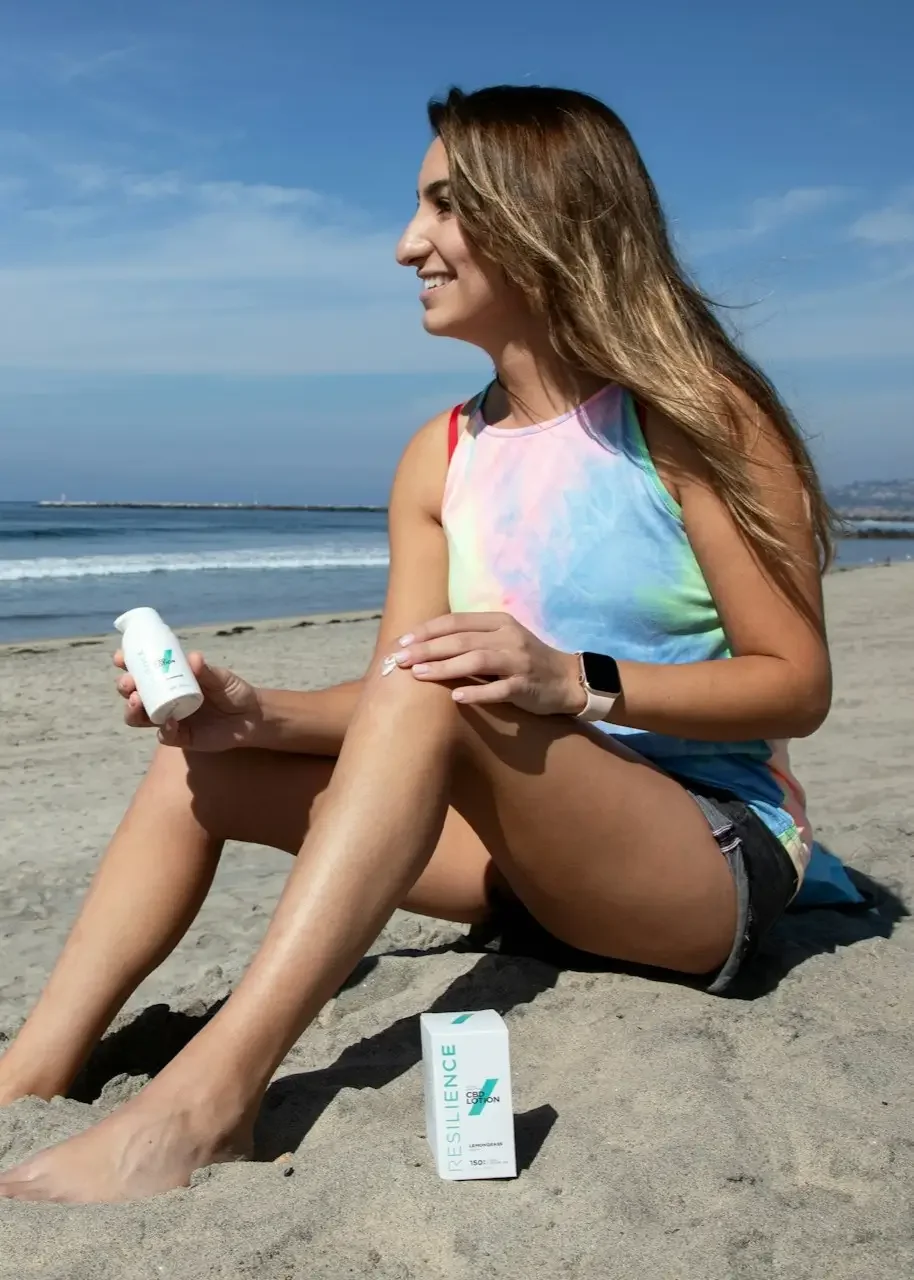
The reefs around Yucatán, Cozumel, and Playa del Carmen are sensitive. Certain chemicals in many sunscreens can damage coral and marine life. Using reef-safe sunscreen isn’t just “nice to have” - for responsible travellers, it’s essential.
What to look for:
Mineral sunscreens (non-nano zinc oxide or titanium dioxide) instead of chemical filters like oxybenzone or octinoxate.
Labels like “reef safe”, “ocean friendly”, “biodegradable”, though watch that these aren’t just marketing fluff. Check for “non-nano.”
Good SPF + broad spectrum protection (UVA & UVB). Water resistance helps if you’re swimming or sweating.
Examples / sources in Mexico:
Several reef safe brands are available in México, such as Maya Solar. Manufactured in Mexico from natural ingredients including reef safe blockers.
There are reef safe mineral face balms approved for México & Hawaii that avoid oxybenzone / octinoxate and are biodegradable.
Extra measures:
Use rash guards or long-sleeved lightweight clothing for sun protection, reducing need for sunscreen in water or full sun.
Apply sunscreen well ahead of entering water, and reapply after swimming.
HINT: If visiting cenotes or freshwater systems, many places don’t allow any sunscreen — check policies in advance. Use zero or biodegradable before entrance.
Gear that reduces waste & environmental footprint
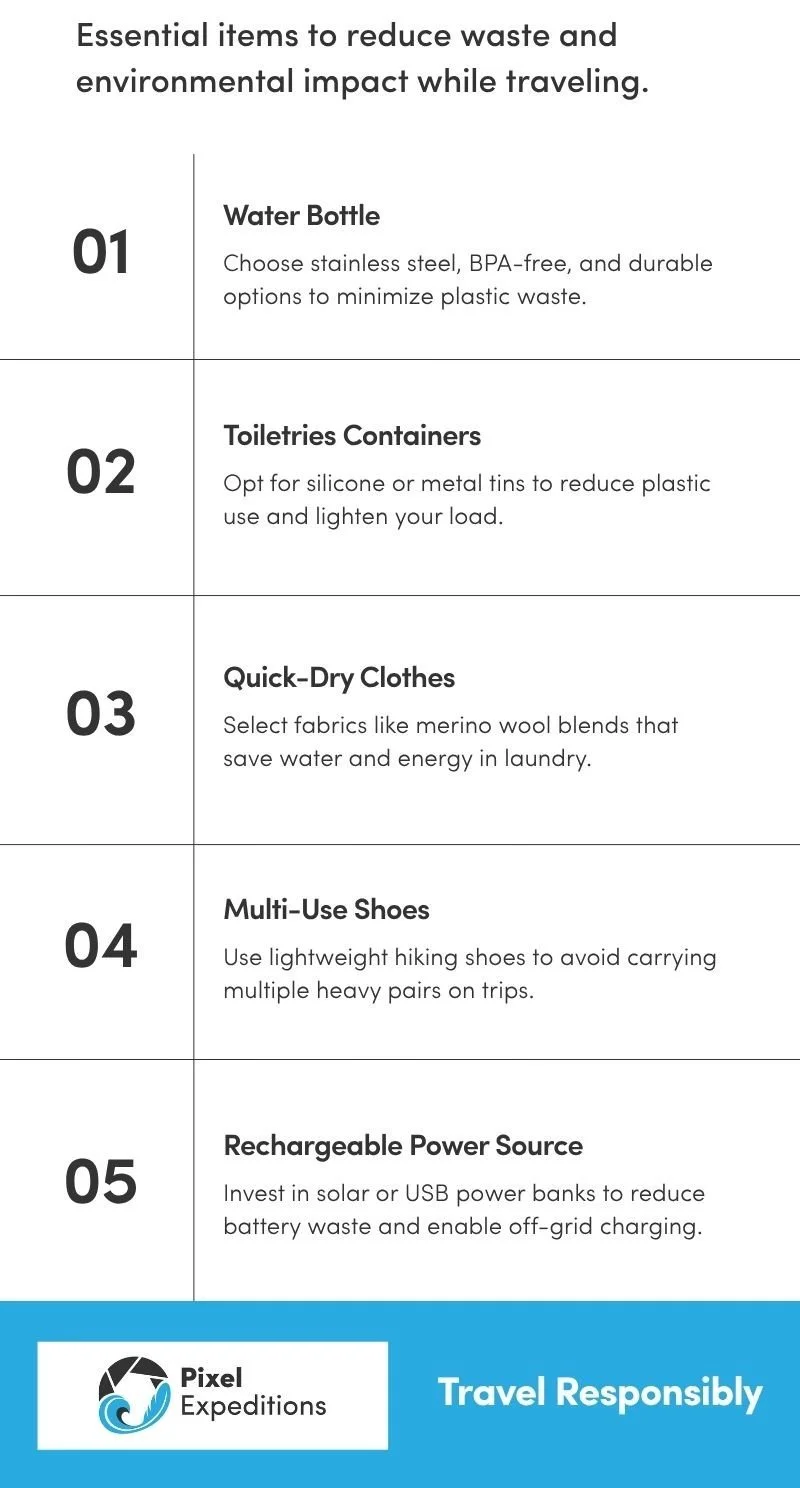
When you buy gear, aim for items that reduce single-use plastic, are durable, repairable, lightweight, and where possible, locally sourced to where you are buying. Every small decision compounds into a smaller footprint and a smoother trip.
Start with your water bottle or hydration system. A stainless steel or BPA-free reusable bottle is one of the easiest sustainability wins you can make. It eliminates endless plastic waste, keeps your water cooler for longer, and ensures you stay hydrated in the Yucatán heat or during long hikes through Calakmul’s dense jungle.
Next, think about toiletries. Instead of throwing a handful of mini plastic bottles into your bag, invest in silicone or small metal travel containers that you can refill. They’re lighter, sturdier, and drastically cut down on plastic waste.
For clothing, prioritise quick-dry fabrics such as merino wool blends or recycled synthetics. These materials wash easily, dry in hours, and help you save both water and energy, especially handy if you’re rinsing your gear in eco-lodges or rural guesthouses. They also resist odour better, so you can pack fewer items.
When it comes to footwear, choose lightweight, multi-use hiking shoes with good grip and water resistance. Yucatán’s terrain is varied, slick limestone around cenotes, dusty jungle paths, and cobbled ruins, and one solid pair of hybrid shoes means you can skip packing multiple bulky options. Fewer shoes equals less weight and less material used in production.
Electronics are another area where thoughtful gear choices matter. Opt for solar- or USB-rechargeable power banks and headlamps. If they use replaceable batteries, even better, it reduces waste and ensures you’re not stuck with dead, disposable batteries in remote places. Solar options are particularly useful for multi-day trips where outlets are scarce and sunlight is abundant.
Finally, don’t underestimate reusable bags. Pack a few lightweight fabric or mesh ones for groceries, laundry, and day trips. They replace plastic shopping bags, help you organize your pack, and are endlessly handy for carrying snacks, wet clothes, or market finds.
Each of these small choices, from your bottle to your boots, might seem minor on its own, but together they add up to a huge difference in how lightly you travel. They’re the foundation of responsible adventure: less waste, less weight, and more freedom.
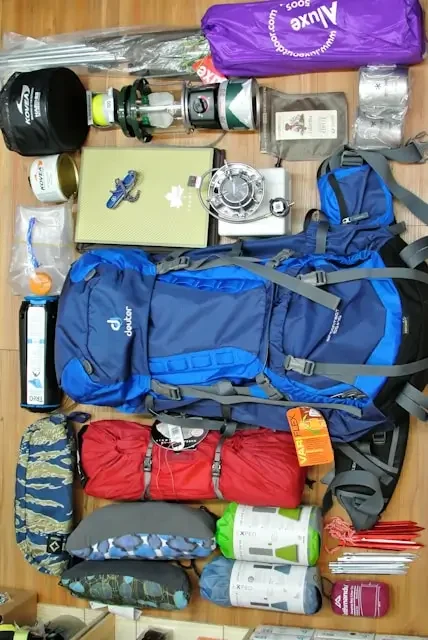
Local sourcing and sustainable purchases
One of the smartest choices: buy or borrow locally rather than shipping or buying everything at home. Pixel Expeditions emphasises supporting local artisans, shops, and supply chains. Here's how to do it well:
Buy locally made gear or clothing - e.g. locally woven sarongs, hats, belts, or hammocks. This supports local economies and reduces transport emissions.
Refill consumables - soap, natural shampoo/conditioners, bug repellent when possible. Many towns in Yucatán have small shops that sell refill options.
Repair rather than replace - a torn strap? A hole in shoes? Local cobblers or seamstresses can patch things cheaply.
Rent or borrow bulky items - if there’s a chunk of your kit that you won’t need in many places, maybe you can rent in Playa del Carmen or Cancun rather than carrying it from the start (e.g. snorkel gear, wetsuit, or heavy dive equipment).
Packing & organising to travel light
Even with sustainable gear, how you pack counts. Efficient organisation and thoughtful choices save effort, space, and reduce environmental impact (less fuel if lighter luggage, fewer lost items, etc.). Tips:
Use packing cubes or compression sacs to organize, separate dirty laundry, and reduce wasted space.
Roll clothes rather than fold, this saves space and reduces creasing (less need for pressing or washing).
Limit the number of shoes - wear your bulkiest pair and pack only one additional (light) pair.
Bring only the essentials for “just in case” - medicine, first-aid basics, sunburn relief, insect repellent.
Weigh your pack before leaving home - many airlines penalise heavy bags; also lighter backpacks let you move more easily and use smaller transport more sustainably.
Sustainable laundry & hygiene practices
Clean yourself, stay safe, but do so in ways mindful of the environment.
Use biodegradable soap / shampoo, especially when you’re washing near rivers or beaches.
Wash small loads; line dry instead of using powered dryers.
Pack a small foldable laundry bag so you can separate dirty gear and wash less often.
For personal care: bamboo toothbrushes, stainless steel or silicone razors, refillable deodorants if possible.
Minimal electronics & energy awareness
Adventure doesn’t need full-on tech overload. Carry the essentials and use energy wisely.
Bring one multi-purpose charger and one power bank rather than many chargers.
Use a solar charger if you’re likely to be in remote areas.
Minimise single-use batteries. LEDs are great for battery conservation.
Switch off and unplug devices; use low-power modes.
Footprint considerations: transport, packaging, and support
There are gear and behaviour decisions that often get overlooked but matter a lot.
Use durable packing materials. Avoid plastic zip bags when possible; use compostable/recycled packaging for small items.
When buying gear, check certifications (Fair Trade, recycled materials, durability).
Travel with lightweight, versatile trekking/rain gear rather than heavy specialised items. It means less material and less weight.
Consider carrying a small trash bag to pack out what you bring in, especially single-use items.
Why Pixel Expeditions cares - our policies & practices
Here’s how Pixel tries to “do minimalism well” in practice:
We encourage guests to rent or buy locally heavy or specialised gear instead of shipping it in.
Our guides carry reef-safe sunscreen AND provide guidance on what’s permitted in cenotes / aquatic sites.
Group size limits: smaller groups = less impact on trails, ruins, ecosystems.
We partner with local businesses for consumables and food, reducing packaging and transport carbon.
We include education for travellers - on Leave No Trace, reef care, bug repellent choices, and why local ecosystems need respect.
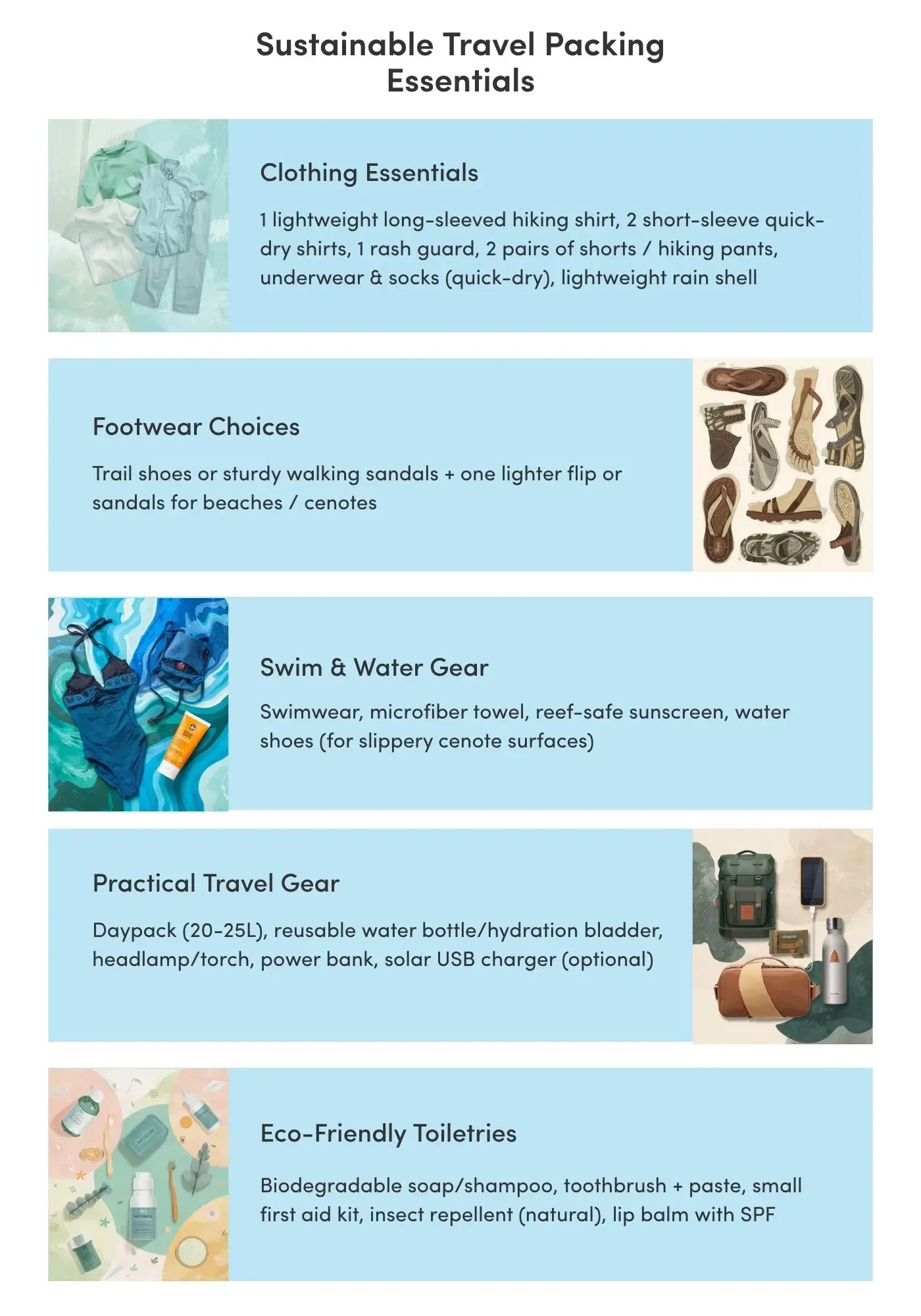
Here’s a sample “lean but safe” checklist for a 5 day or 7 day Pixel Expeditions trip. This will generally a mix of ruins, cenotes, and light hiking:
Final thoughts
Minimalist packing isn’t about going without, it's about making intentional choices so your adventure leaves more room for memories than baggage, both literal and ecological. With the right gear and mindset, you can travel smarter, reduce waste, protect reefs, support local economies, and enjoy more freedom on the trail or in the water.
