

From the turquoise waters of the Yucatan to the wild Pacific coast of Baja, Mexico’s coral reefs are facing unprecedented challenges. But hope is not lost! Thanks to the dedication of marine conservationists and the adventurous spirit of divers, coral restoration projects are making waves, literally. Dive in with us as we explore how underwater enthusiasts, with a little guidance (and a lot of sunscreen), are helping revive Mexico’s reefs.
Coral reefs are some of the most vibrant, diverse, and, let’s face it, photogenic ecosystems on the planet. But beneath the surface of Mexico’s famed turquoise waters, a crisis is unfolding. Pollution, climate change, and unsustainable tourism are threatening these underwater rainforests. The good news? Scuba divers and ocean lovers aren’t just bystanders; they can be reef heroes.
Divers visiting Mexico can actively help coral conservation by:
joining restoration projects
practicing eco-friendly diving
supporting NGO’s and local organisations
Coral reefs need urgent help, but with diver participation, there’s hope for reef revival.
Why Coral Reefs Matter
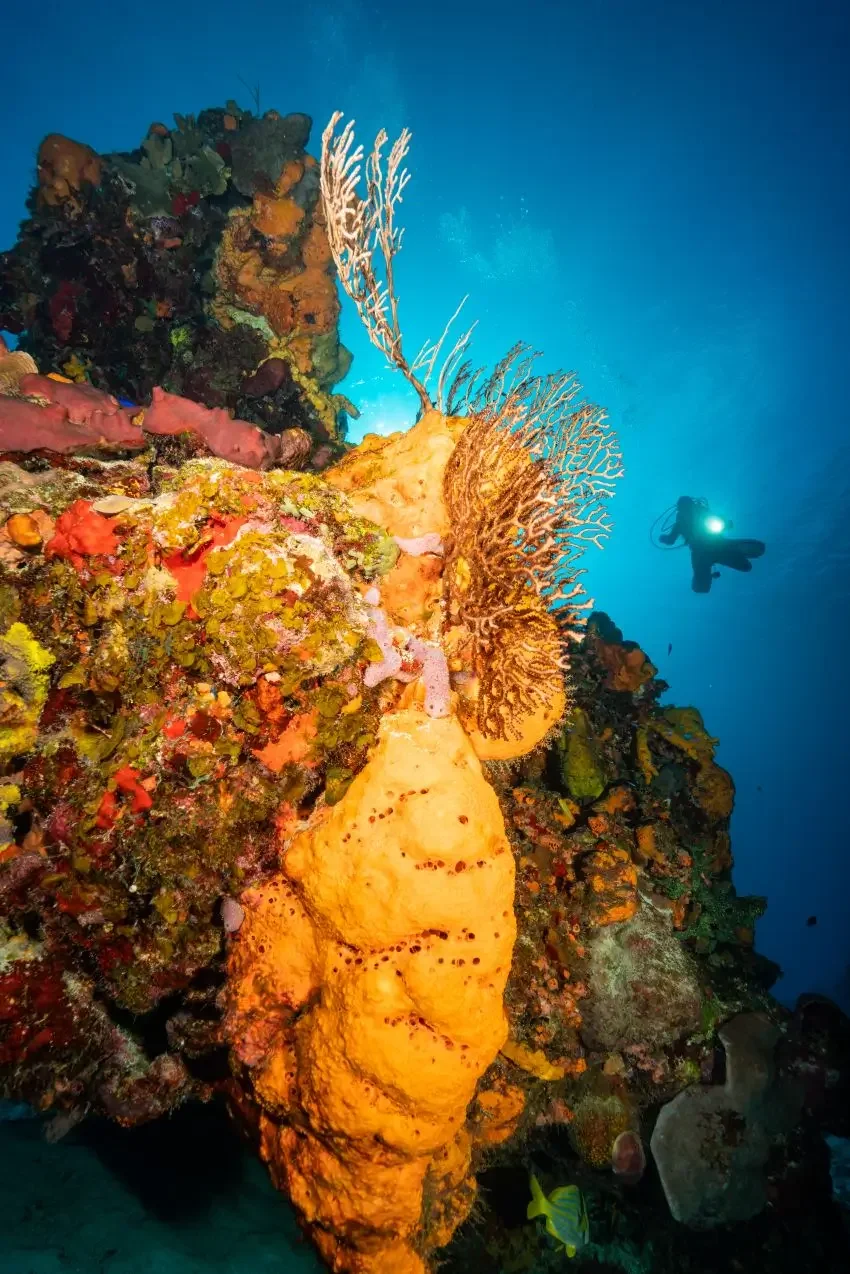
Besides looking great on Instagram, coral reefs support about 25% of all marine species, provide food and income to millions, and protect coastal communities from storms. In Mexico, the Mesoamerican Barrier Reef, the world’s second-largest, stretches along the Yucatan Peninsula, offering sanctuary to everything from technicolour fish to ancient sea turtles. Over in Baja, rocky reefs and unique coral gardens add to Mexico’s underwater appeal.
Sadly, these ecosystems face threats like coral bleaching, overfishing, and pollution. But don’t hang up your fins yet!
The State of Coral Reefs in Mexico
Mexico’s reefs have suffered mass bleaching events, disease outbreaks, and physical damage. Major hot spots for conservation include:
The Yucatan Peninsula: Home to vibrant reefs and a hub for restoration projects.
Baja California: Known for its mix of coral and rocky reefs, plus unique marine life.
It’s not all doom and gloom. Innovative conservation projects are underway, and divers are at the heart of the action.
Diving In: How Restoration Projects Work
Coral reef restoration in Mexico, particularly throughout the ecologically vital Riviera Maya, is a multifaceted effort that goes far beyond the work of marine biologists alone. It represents a powerful collaboration involving local communities, non-governmental organisations (NGOs), passionate dive shops, and dedicated eco-tour operators. For the sustainable traveller, these initiatives offer a unique and impactful way to engage with the natural environment.
Coral Nurseries
This process begins with collecting tiny, healthy fragments of donor coral. These fragments, often referred to as "fragments of opportunity" (broken pieces found naturally, not harvested), are then carefully suspended or mounted on specialised, submerged structures, like "trees" or frames, in sheltered, shallow areas of the ocean.
In these underwater nurseries, the coral fragments are safe from many natural stressors and grow significantly faster than they would on the main reef. Once these fragments mature and reach a sufficient size (often after six months to a year), they are ready for the next critical step: transplantation.
Outplanting Events
Outplanting events are the exciting culmination of the nursery work, and they provide the most direct opportunity for traveller participation. Volunteers, including recreational divers and sometimes even advanced snorkelers, can join organised expeditions led by certified restoration groups.
Monitoring and Data Collection
For restoration to be successful, continuous tracking is essential. Divers play a critical role as citizen scientists by assisting in the systematic monitoring and data collection phases. This involves collecting quantifiable data on various aspects of reef health, including coral growth rates, fish and invertebrate counts, and water quality.
This robust and detailed information is crucial for scientists to track the long-term progress of the efforts, understand which restoration methods are most effective, and accurately plan future restoration strategies across the region.
Education and Advocacy
Integral to every restoration effort is the commitment to education and advocacy. Many projects incorporate detailed workshops, comprehensive dive briefings, and land-based sessions designed to transform participants from temporary volunteers into informed stewards of the ocean.
How Divers Can Get Involved
You don’t need a PhD in marine biology to make a difference, just a passion for adventure and a willingness to learn.
Join a Conservation Dive Trip
Operators like Pixel Expeditions offer trips that combine world-class diving with hands-on conservation. Spend your surface intervals learning about coral health, and your dives helping with restoration.
Practice Reef-Safe Diving
Buoyancy is key: Good buoyancy control prevents accidental damage to fragile corals.
Don’t touch: Avoid handling marine life or corals.
Use reef-safe sunscreen: Many common sunscreens harm coral larvae—choose mineral-based formulas instead.
Volunteer for Citizen Science
Many programs welcome divers to collect data, photograph reefs, and report sightings of rare species. Your holiday snaps could help save a reef!
Support Local Projects
Even if you’re not getting wet, supporting conservation initiatives through donations, spreading the word, or choosing eco-friendly tour operators makes a difference.
Spotlight: Coral Restoration Projects in the Yucatán
Cozumel Coral Reef Restoration Program (CCRRP)
Location Focus: Cozumel Island.
CCRRP, founded by Dr. German Mendez, relies heavily on volunteers and donations. For certified divers, there are opportunities to participate in hands-on activities like tending to coral platforms, planting corals back onto the reef, and assisting in research studies. They frequently run the PADI AWARE Coral Reef Conservation Specialty course, which includes specific training on Caribbean coral restoration methods, allowing volunteers to gain the necessary certification to pitch in directly.
Volunteer Commitment: Opportunities range from short-term family visits to longer-term internships.
More Information: Cozumel Coral Reef Restoration Program
Coralisma
Location Focus: Primarily the Puerto Morelos Reef National Park area.
Coralisma is a non-profit that utilises fragmentation and microfragmentation techniques to restore stony corals. While they focus on ongoing projects like quarterly monitoring, they encourage visitors to sign up as a volunteer to be notified via email when a restoration or cleaning event is scheduled. Beyond diving, they are always looking for support from educators, technology enthusiasts, and people who can assist with the organisation's mission and outreach.
More Information: Coralisma
Coral Print
Location Focus: Playa del Carmen area.
Coral Print blends marine science with creative education through their "Art & Ocean Conservation Tours." They offer guided snorkelling experiences combined with a "Citizen Science" educational session where you learn about coral biology and local restoration efforts. Their activities often include an "Ocean Art Activity" to create a conservation-themed souvenir, making it a great option for non-divers or travellers seeking an engaging, educational experience that doesn't require a dive certification.
More Information: Coral Print
Beyond the Dive: Non-Diving Ways to Help
Not everyone can dive, and that’s okay! Snorkellers, beach-goers, and even armchair adventurers can:
Attend marine conservation workshops
Support local eco-friendly businesses
Reduce single-use plastics
Advocate for marine protected areas
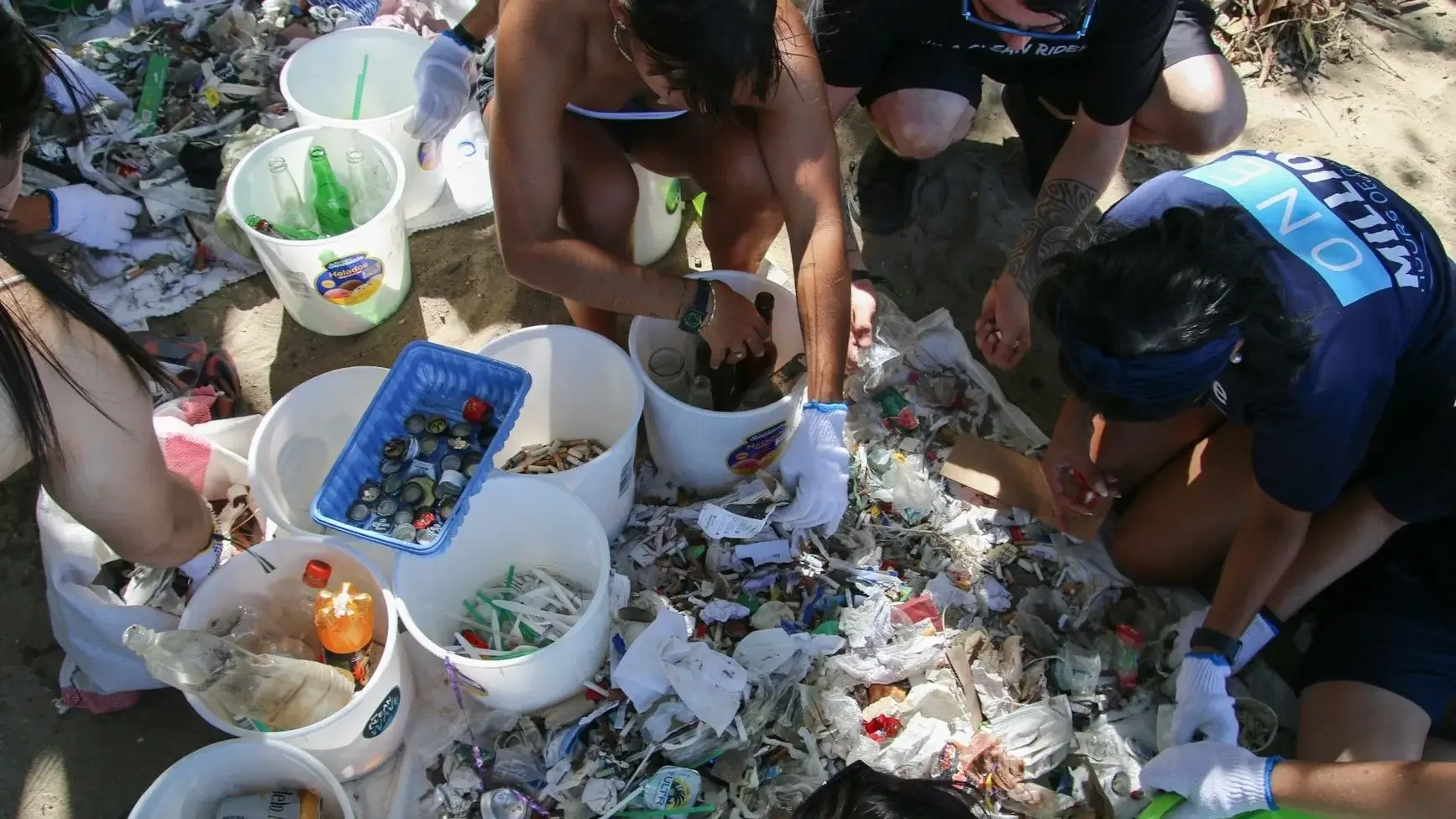
A reef clean-up in action. Photo by Kim Ampie on Unsplash
Why Choose Pixel Expeditions?
As a sustainable tour operator based in Mexico’s Yucatán, Pixel Expeditions offers:
Guided conservation-focused dives in the Yucatan
Liveaboard and adventure trips out of Baja and worldwide
Partnerships with local NGOs and scientists
Expert briefings including marine conservation
Opportunities to participate in coral restoration and citizen science
The Future of Coral Conservation in Mexico
The path ahead isn’t easy; climate change and local pressures mean reefs need our help more than ever. But, by combining science, tourism, and some good old-fashioned enthusiasm, divers can help tip the scales in favour of reef survival.
So, next time you’re gearing up in Mexico, remember: you’re not just a visitor, you’re part of the solution.
Frequently Asked Questions
How can recreational divers help with coral reef conservation in Mexico?
By joining restoration dives, practicing sustainable diving, and supporting local conservation projects.
What are the best places in Mexico for coral restoration diving?
The Yucatan Peninsula (Playa del Carmen, Cozumel, Akumal) and select sites in Baja California.
Are there volunteer opportunities for non-divers in marine conservation?
Yes! Many organisations offer workshops, beach clean-ups, and citizen science programs open to all.
What is the impact of sunscreen on coral reefs?
Many sunscreens contain chemicals harmful to corals. Use mineral-based, reef-safe sunscreen to protect marine life.
Why choose Pixel Expeditions for a conservation-focused diving trip?
They partner with local NGOs, offer hands-on restoration opportunities, and prioritise sustainable dive practices.
