

Diving into the Yucatán’s Wild Side
If the Yucatán Peninsula were a wildlife buffet, the ocean would be the main course. This region’s mix of Caribbean reefs, cenotes, and deep-blue pelagic zones makes it one of the most biodiverse dive destinations in the Americas.
You can commune with bull sharks in Playa del Carmen, hover with sea turtles off Akumal, or share the blue with whale sharks near Isla Holbox. Add a few cameo appearances, maybe a manta ray gliding gracefully by, or a moray eel peeking from coral, and you’ve got front-row seats to one of nature’s best shows.
But there’s a catch if you want it to stay that way… look, don’t disturb. OK, it’s not the worst catch, but most unforgettable encounters come when you let marine life set the terms. So let’s meet the Yucatán’s top five underwater celebrities and learn how to respect their space.
What You Need to Know
The Yucatán’s underwater world isn’t just clear blue, it’s alive, curious, and occasionally has some teeth. Here’s your quick guide to what’s waiting for you below :
Bull Sharks of Playa del Carmen — powerful but misunderstood; learn why calm divers get the best encounters.
Sea Turtles of Akumal — graceful grazers who know these waters better than anyone; find out how to share their space responsibly.
Whale Sharks near Holbox — the planet’s biggest fish and the Yucatán’s gentlest giants; discover the best season to swim alongside them.
Manta Rays of Isla Mujeres — elegant acrobats of the Caribbean; we’ll show you how to enjoy their dance without disturbing the show.
Moray Eels of the Reefs — the reef’s grumpy gatekeepers; fascinating to watch if you know how to give them space.
Every dive here is a story, just make sure yours is a respectful one. Dive with Pixel Expeditions: small groups, zero baiting, 100% respect for the reef.
Bull Sharks - The Powerhouses of Playa del Carmen
Where & When
Best Season: November–March
Location: Playa del Carmen, near Pared Verde & Shark Point
Every winter, female bull sharks migrate to the warm shallows off Playa del Carmen. They’re big, bold, and often misunderstood…. Because, well… big teeth. And Jaws. While their reputation gets Hollywood treatment, bull sharks here are part of a stable seasonal population monitored by marine biologists.
The Science Bit
Bull sharks (Carcharhinus leucas) are unique in that they are famously able to tolerate both salt and freshwater, which explains their wide global range. Females in Playa’s population are believed to be pregnant, using the calm coastal waters as a resting ground.
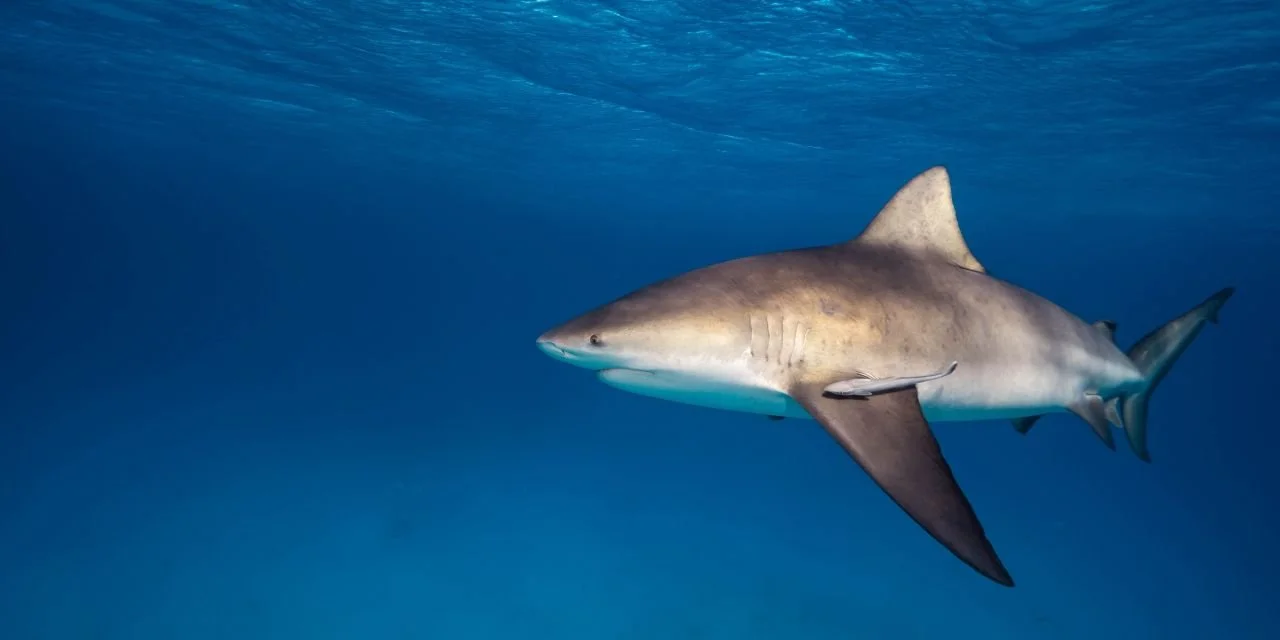
A Bull shark in Playa del Carmen cruising quietly over the sand. Photo: Luke Coley.
How to Dive Respectfully With the Bulls
Dive only with operators who follow strict safety & conservation codes (like Pixel Expeditions).
Stay low, calm, and still, which is kind of counterintuitive, but erratic movement triggers their curiosity,
Never touch or chase. Keep cameras close, strobes off.
Skip operators who bait or feed, as this alters shark behaviour and potentially harms the ecosystem.
Pro tip: When in doubt, remember, you’re the guest. The shark’s just wondering who brought the bubbles.
Sea Turtles - The Calm Locals of the Riviera Maya
Where & When
Best Season: Year-round, with nesting May–October
Locations: Akumal, Tulum, Cozumel
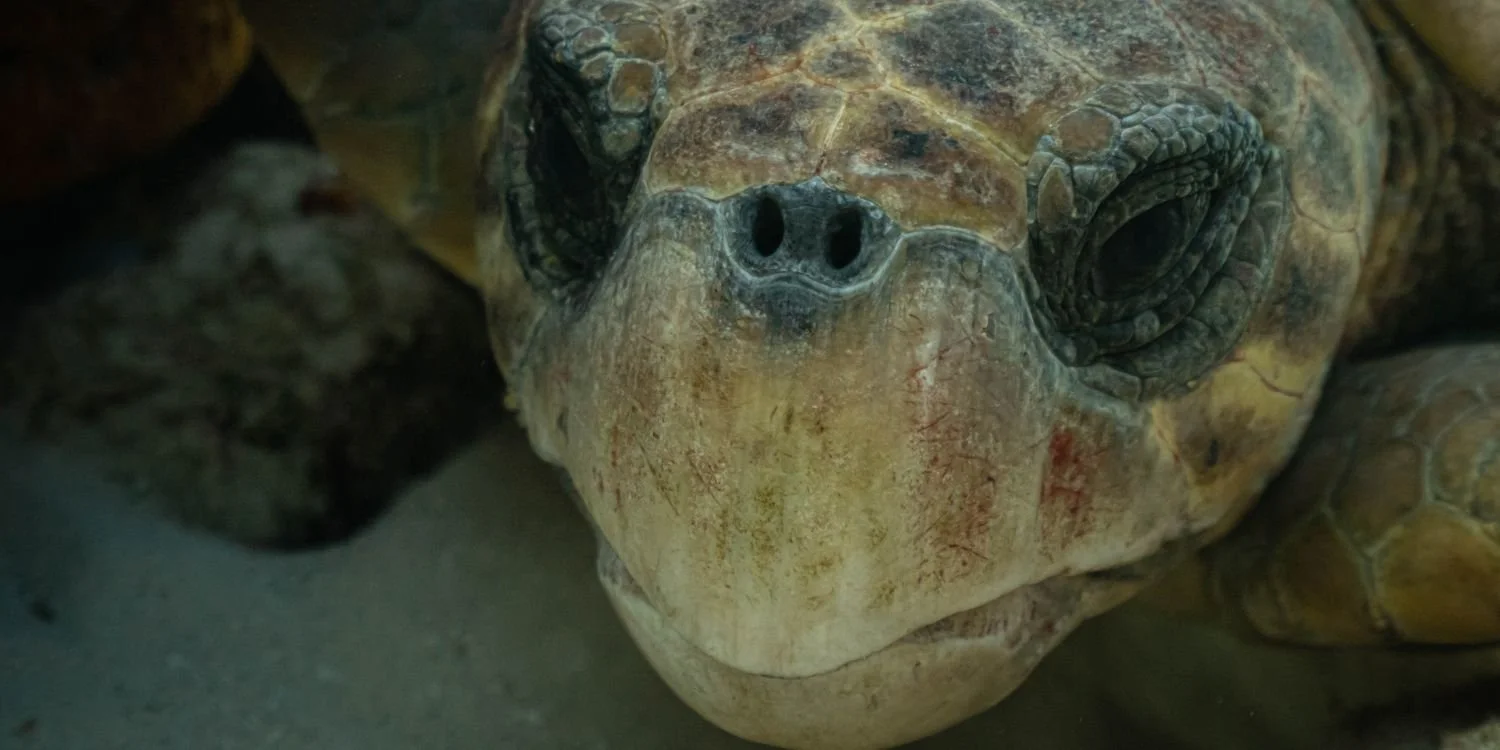
Three turtle species dominate local reefs: green turtles, hawksbills, and loggerheads. Akumal (meaning “place of turtles”, obviously) is their HQ. It’s a bay where seagrass meadows provide an all-you-can-eat buffet.
The Science Bit
Sea turtles are ancient mariners, nesting on the same beaches their ancestors used for thousands of years. Hawksbills prefer coral areas for sponges; greens go for seagrass; loggerheads eat, well, anything and everything.
How to Dive or Snorkel Respectfully
Maintain 3–5 meters of distance and never block a turtle’s ascent for air. You might think you’re just hovering carefully over the top, but you are between it and the surface
No touching or chasing, even for photos.
Avoid sunscreen that isn’t reef-safe, as oils and chemicals harm turtle habitats.
If you see a nesting site on land, keep your distance and lights off.
Image suggestion: Green sea turtle swimming above reef.
Alt text: “Green sea turtle gliding over coral reef in Akumal Bay.”
Whale Sharks - The Gentle Giants of Holbox & Isla Mujeres
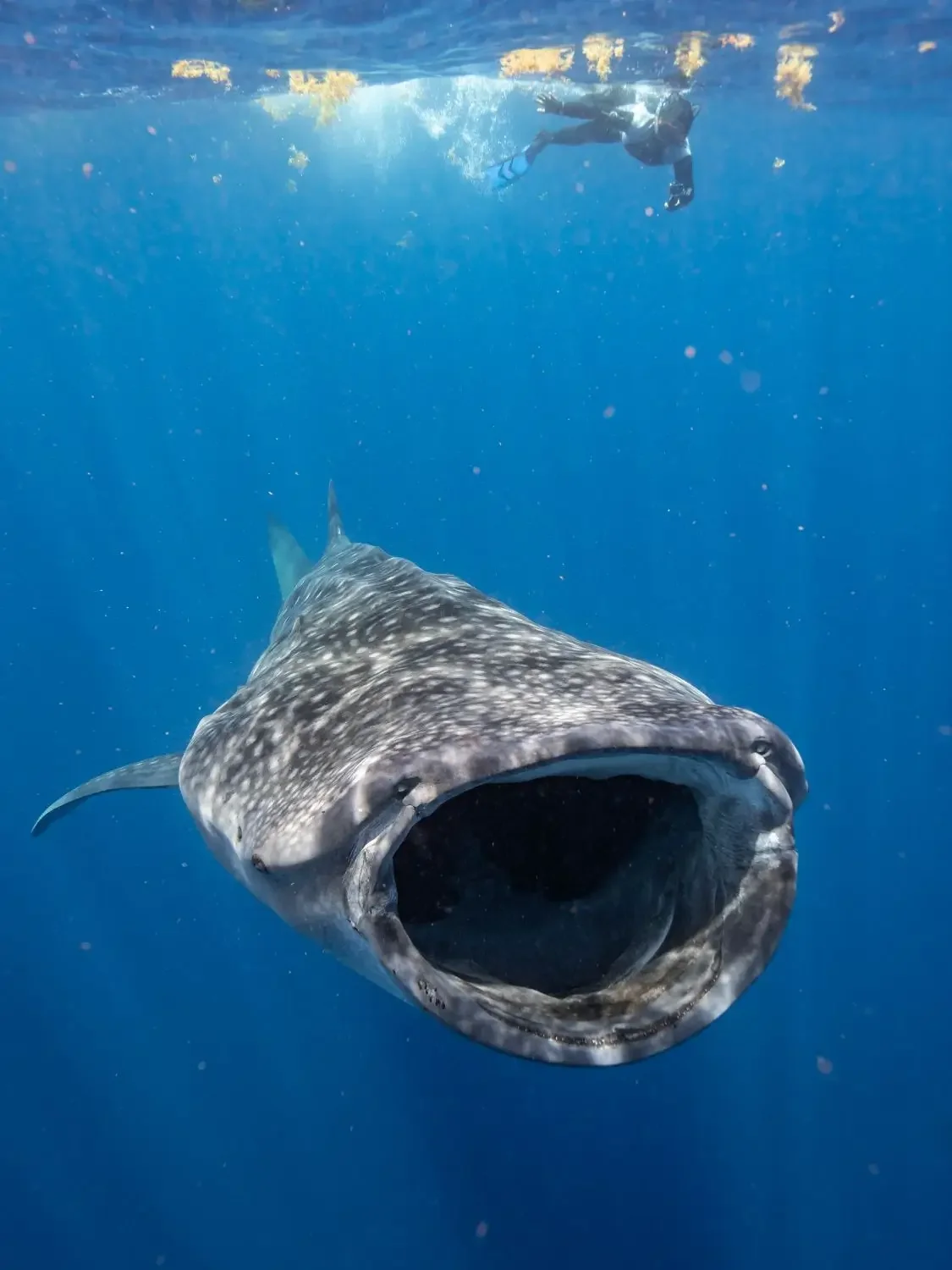
Whale shark feeding as a snorkeller watches on. Photo: Luke Coley
Where & When
Best Season: June–September
Locations: Isla Holbox, Isla Mujeres, Cabo Catoche
The whale shark (Rhincodon typus) is the world’s largest fish, growing up to 12 meters long, yet totally harmless. Every summer, hundreds (yes, you read that right) gather off northern Yucatán to feed on plankton blooms. Swimming beside them is like floating next to a living bus with fins.
The Science Bit
Whale sharks filter-feed by opening their massive mouths and vacuuming up plankton and krill. They migrate seasonally, often returning to Mexican waters annually. Individuals can be tracked by researchers with photo ID programs.
How to Swim Respectfully
Enter the water quietly with no splashing. Also, avoid kicking toward them. We know you’re excited, but stay calm.
Maintain a 3–4 meter distance; no touching, ever.
Swim parallel, never in front. They can’t brake easily and you will know if one hits you.
Only snorkel with operators who follow whale shark tourism regulations.
Pixel Expeditions partners with certified local boats to ensure ethical encounters, no crowding, no chaos.
Manta Rays — The Ocean’s Ballet Dancers
Where & When
Best Season: June–September
Locations: Isla Mujeres, sometimes Holbox
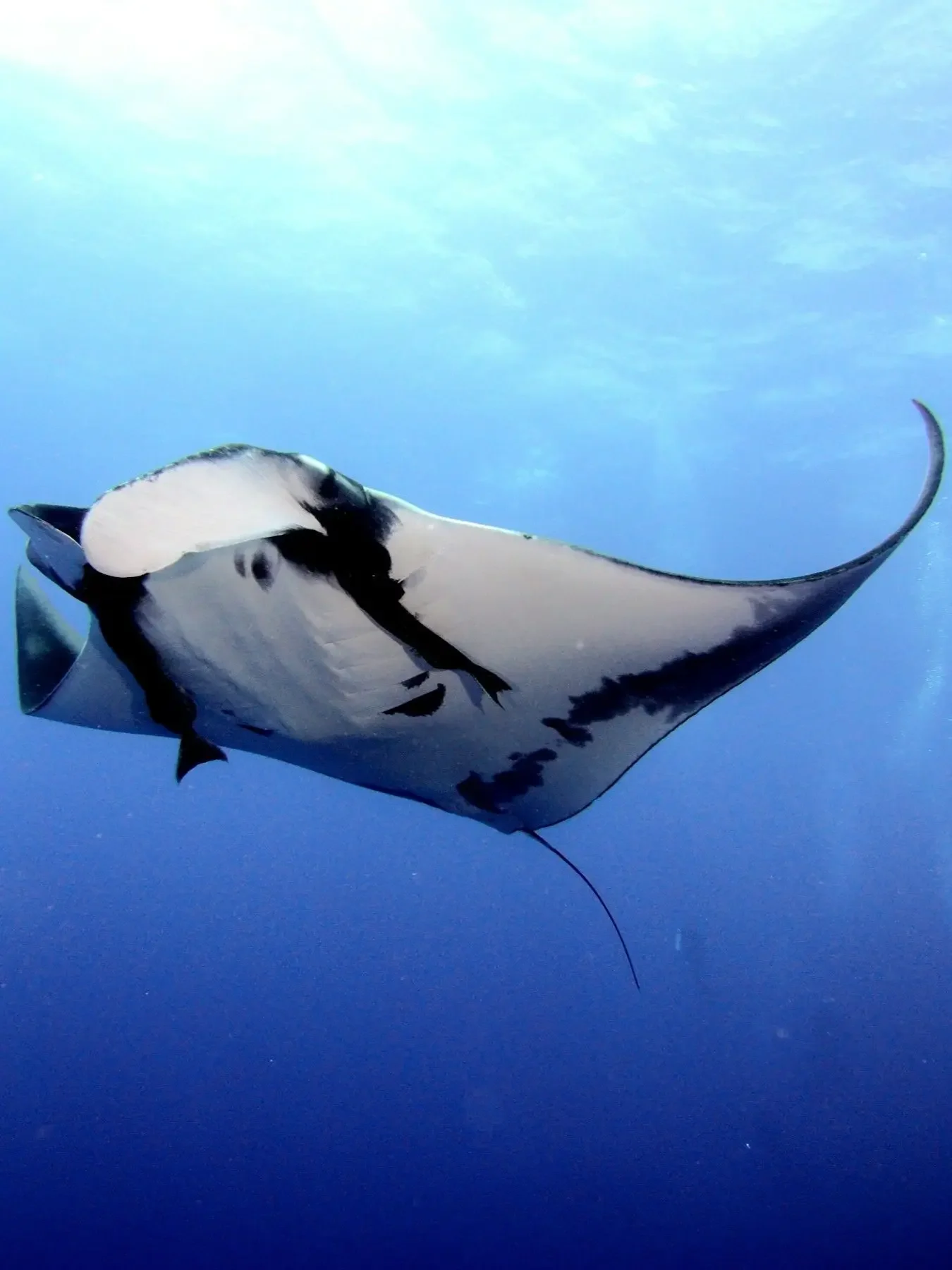
Mantas are the ballerinas of the Caribbean, albeit with 4 to 5-metre wingspans. But those wings allow them to glide effortlessly through blue space. Often confused with stingrays, mantas are filter-feeders and totally harmless.
The Science Bit
The Caribbean manta (Mobula cf. birostris) visits cleaning stations and plankton-rich zones during summer. They’re curious creatures, often circling divers if approached calmly, or if you just hover in place.
How to Dive Respectfully
Stay low and avoid bubbles directly under them; contrary to rumours, in general, they do not appreciate the bubbles.
Mantas are also sensitive to that strange noise you make when you exhale, so stay calm as well.
Never chase; if one approaches, remain still and enjoy the encounter.
Keep flash photography off, their sensitive eyes pick it up instantly.
Moray Eels - The Yucatán’s Grumpy Guardians
Where & When
Best Season: Year-round
Locations: Cozumel reefs, Puerto Aventuras, Playa del Carmen
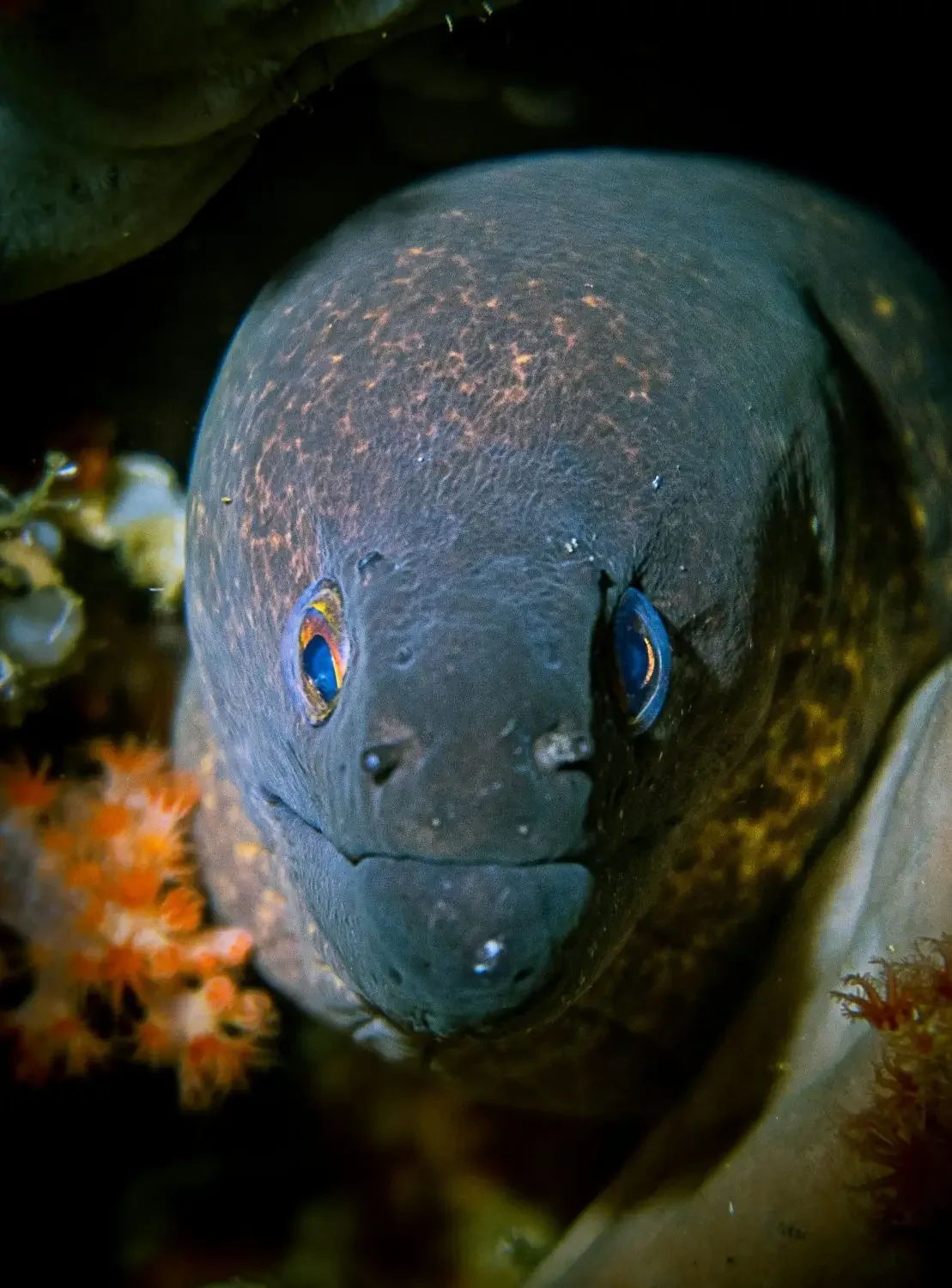
Poking their heads from coral crevices, green moray eels and spotted morays are the Yucatán’s resident lurkers. They look fierce, but that gaping mouth is just their breathing method.
The Science Bit
Morays are ambush predators that feed mostly at night. They’re vital reef cleaners, controlling populations of smaller fish and crustaceans. They have terrible eyesight but a great sense of smell.
How to Dive Respectfully
Don’t poke, feed, or flash photos into their dens. One, they don’t like it. Two, they have sharp teeth designed to keep things in their mouths.
Avoid dangling gear that might brush near holes.
Respect their personal space as they can be a little bit bitey if provoked.
Pro tip: If it looks like a sock puppet with attitude, give it some room.
Responsible Encounters: The Pixel Expeditions Way
At Pixel Expeditions, we believe that good diving = good stewardship. Our guides are trained to minimise impact, brief divers on marine behaviour, and maintain respectful distances.
Here’s how we ensure ethical encounters:
Small groups — never crowding animals.
Zero baiting or feeding.
Reef-safe sunscreen.
Education on marine life ID and conservation.
Because seeing the Yucatán’s incredible marine life is a privilege, and it’s our job to make sure it’s one future divers can enjoy too.
Frequently Asked Questions
When is the best time to see stand-out marine life in the Yucatán?
From June to September, whale sharks and mantas are present, while from November to March, there are bull sharks present. Turtles and other reef fish are year-round.
Is it safe to dive with bull sharks in Playa del Carmen?
Yes, when done responsibly with licensed operators who follow strict non-feeding and distancing protocols.
Can I snorkel with whale sharks as a beginner?
Absolutely! Whale shark tours are snorkel-only, and guides ensure safe, controlled encounters.
What’s the best sunscreen for diving and snorkelling in Mexico?
Choose reef-safe, biodegradable formulas free of oxybenzone and octinoxate, or wear rash guards instead.
How can divers reduce their environmental impact?
Use eco-certified operators, perfect your buoyancy, avoid touching wildlife, and support conservation initiatives.
