Three Sharks, a Hundred Puffins, and a Week of Atlantic Wind
All photographs by James Ferrara
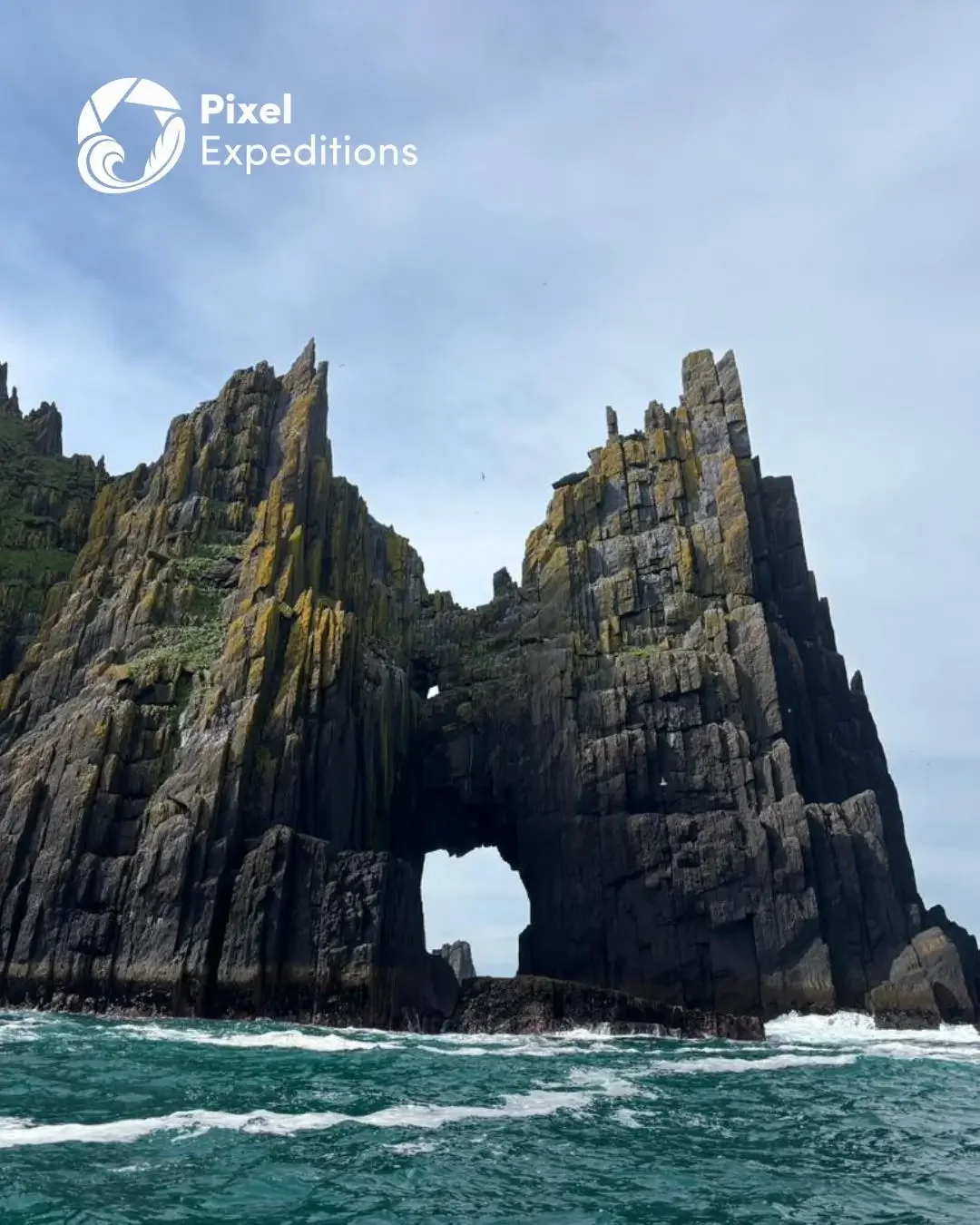
Dingle Peninsula · Ring of Kerry · April 2026
The plan was clear before we left. A week on Ireland's south-west coast during the basking shark window. Puffin colonies on the cliff edges. A large seal population working the beach. Cold-water encounters within a reasonable range of the shore, with enough surface light to shoot in properly. A small group in a house on the coast, five or six days to work with, and a spring window that I thought was going to be generous enough.
April in western Ireland is a negotiation with the weather. Anyone who has spent real time on the Atlantic fringe of Europe knows this. The ocean has its own schedule, and basking sharks (the whole reason this trip exists) follow it accordingly. They appear when the plankton blooms, when conditions push food in close to shore, and they move on when those conditions shift. You can read the forecasts, time your arrival to the week, pick the right month, and still find the bay empty and the sea closed off. That's the deal you make when you come here.
I knew that going in. What I didn't fully anticipate was how quickly the window could open and close.
Day one - Basking sharks in the bay
Three basking sharks came through the bay before most of the group had even landed.
I was already on the water when they showed. We watched them work the surface for close to an hour: huge and slow and completely unhurried, those enormous mouths open and filtering as they moved along the tide line. Basking sharks are the second-largest fish in the ocean, and when you're close to one in the water, their scale is genuinely hard to process. They’re slow, calm, and genuinely look slightly like they’re not sure why they’re there. They follow what they need, and they take their time doing it. There were three of them, in good morning light, at a distance where we could work properly. It was one of the better wildlife encounters I've had in European cold water.
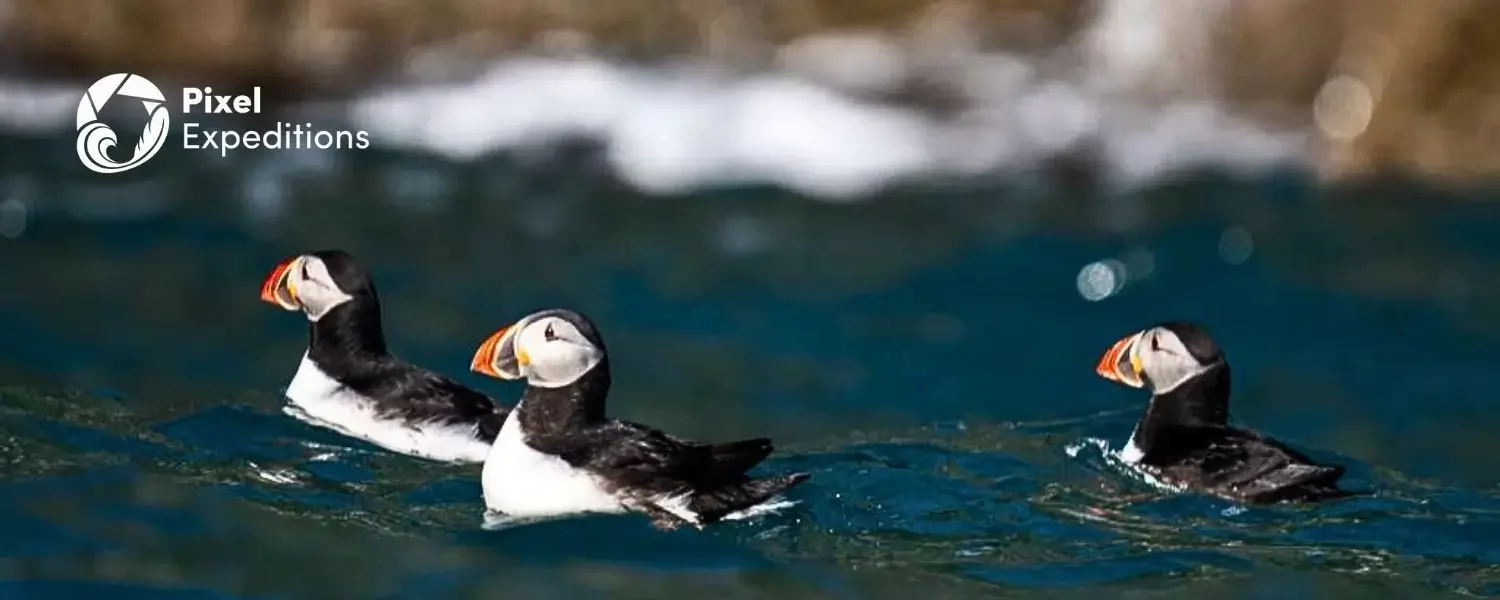
The puffins were on the water. Around a hundred birds, rafting in loose groups just offshore, waiting. They'd arrived late in the season and hadn't yet paired up with their mates to return to the island nests, so they were sitting it out on the surface. We spent time alongside them, shooting from water level, which gives you a different perspective from the cliff-top framing most puffin photographs use. They were completely unbothered by us. The late arrival is also a useful data point for planning the timing of the next trip.
Late in the day, we moved to the seal colony. Somewhere between 600 and 700 animals, most of them hauled out and at rest. No chaos, no noise. They were settled and calm, and we helped keep it that way, watching quietly from a distance that suited everyone. There's something in a colony that size when it's still like that. You don't need to do much except stay patient and pay attention to the light. We stayed until it dropped.
By the time we got back to the house that first evening, the expectation was clear. If the week held like this, we'd come home with everything we came for.
But there was a small problem… the week did not hold like this.
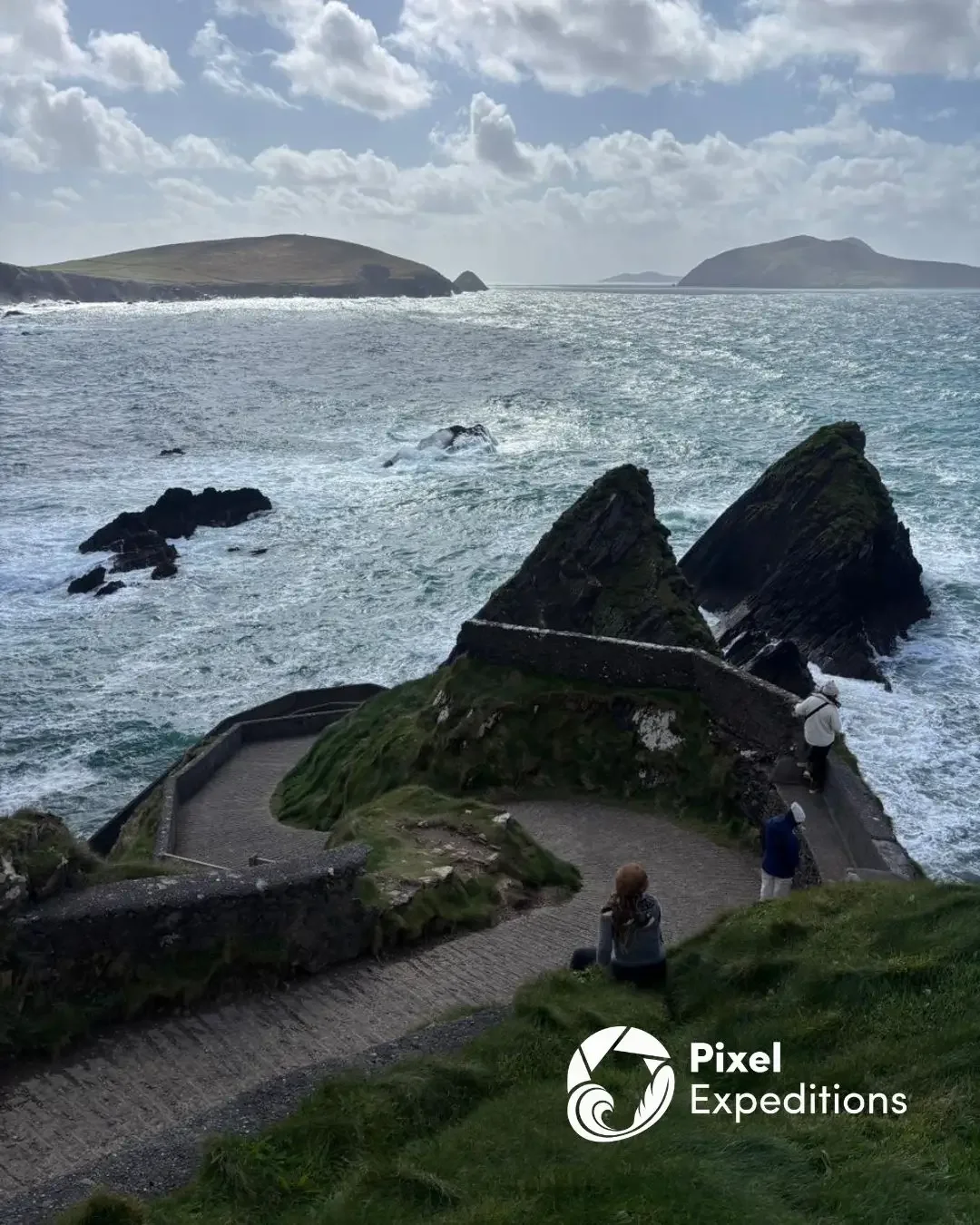
When the wind blows - An Atlantic storm
The Atlantic system arrived overnight. Not a brief blow that would clear by morning, but something that settled in properly and stayed. From the kitchen window each morning, we could see the whitecaps and knew the answer before we checked any forecast. By day three, it was clear we weren't in a waiting game we were going to win. The window was closing already.
This is the part of expedition photography that doesn't appear in the brief or the brochures. When the primary subject doesn't show up, or the conditions lock you off the water, you're left with a decision about what to do next. You can sit and count what you're missing, or you can make an honest assessment of what's actually available and go after that instead.
So, we went after that instead.
There was one more proper day on the water, mid-week, when a gap opened. Flat light all day, and liveable visibility. We were out for a full session, but there were no basking sharks. They'd moved on during the blow, which is what pelagic animals do. A fish follows the ocean, not your expedition plans. Every photographer on that boat understood that going in, and nobody spent the day lamenting it. The coastline from the water in flat, overcast light is a different thing to what you'd shoot in bright conditions: more texture in the cliffs, more depth in the surface. We shot it properly and came back with real work.
What the rest of the week became
When a week like this loses its main objective, you find out what the group is actually made of. In this case; good people, a genuinely beautiful part of the country, and enough on land to fill several days without padding.
We drove the Ring of Kerry at the pace it deserves, which is to say slowly, with frequent stops. There are corners on that road where the view opens up in a way that makes you pull over, whether you'd planned to or not. The light that week was low and consistent. On overcast days in that landscape, the colours in the fields, the cloud sitting on the hills, and the way the coast appears and disappears as you go. It works. We stopped where there was something worth stopping for, which was often.
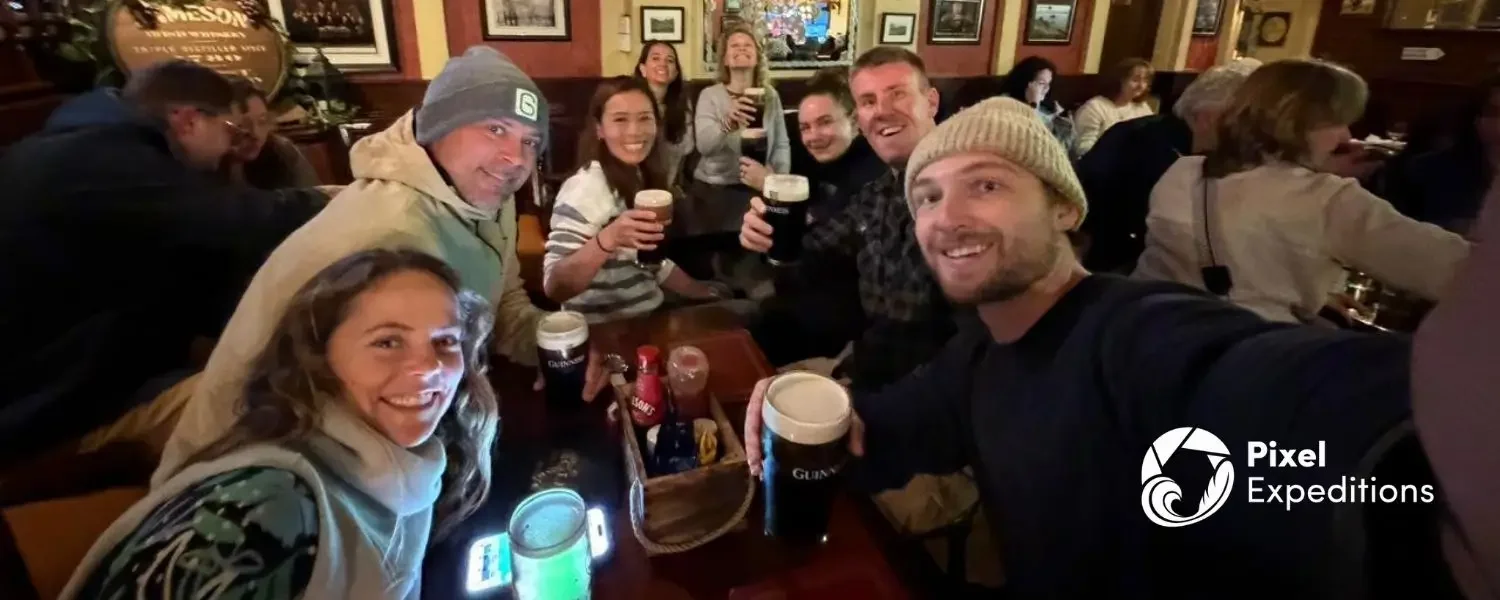
It would be rude not to sample the local wares when on the road
The Dingle Peninsula is different in character from the Ring of Kerry. Quieter, smaller in scale, the kind of landscape that doesn't try to overwhelm you. We spent time there, too, on roads narrow enough that passing another car requires actual planning. Good for shooting from the car window and better still on foot. The fishing village of Dingle itself is worth a morning: colourful, lived-in, without the self-consciousness that tourist towns in other parts of Ireland sometimes carry. The coast facing out into the Atlantic gives you a sense of scale that's hard to put into words, and on an overcast day with the tide in, it photographs in a way that bright sunshine never quite manages.
Afternoons went to the pubs. That's not a euphemism for giving up, it's part of how a week like this works. Especially in Ireland, where there’s plenty of Guinness. A group of photographers who've spent several days wet and cold and chasing the same subjects have a lot to talk about. You compare what's on your cameras, you argue about whether the flat light was actually better or whether you're just telling yourself that, and you plan the next session. The social texture of a trip like this is a real part of the value, and this was a good group.
A falconry session in Kerry
I'd arranged a private falconry session with a local handler as a fallback option for one of the closed-off days, partly because I thought it would give the group something different to shoot and partly because it seemed worth trying. I hadn't done a session myself before.
It turned out to be one of the better hours of the week.
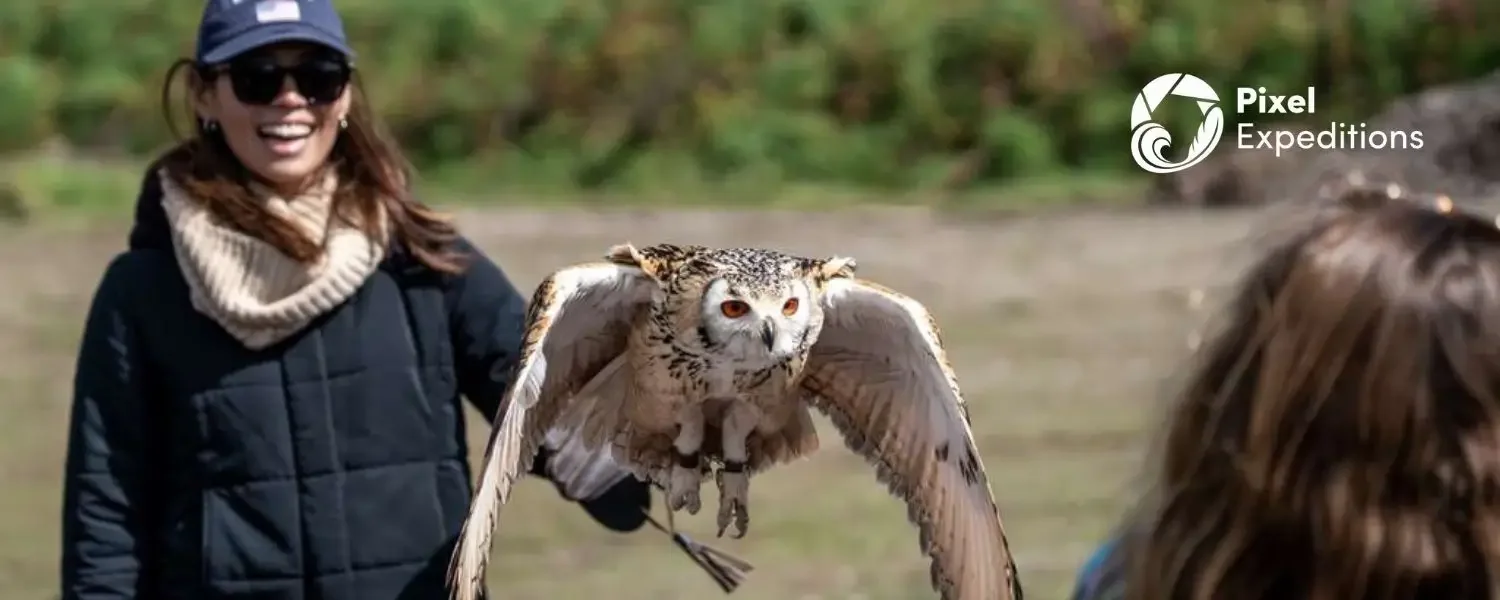
A bird of prey on your arm, in that Kerry landscape, in afternoon light, with a handler who actually knows her birds and knows how to work with a group of photographers. The birds were calm and gave us plenty of time. The handler was patient with people who were pointing cameras at her from every angle and adjusting their positions every thirty seconds. We ran longer than the booked time because nobody wanted to stop.
The photographs from that session were ones nobody had on their list when they booked the trip. That's worth something. One of the things that happens on expeditions where the main subject doesn't fully deliver is that you come home with images you weren't expecting. Some of them end up being more interesting to look at precisely because they weren't the plan.
What Ireland confirmed about basking shark expeditions
The basking shark opportunity on Ireland's south-west coast is real. Day one made that clear. Three sharks in good light, close range, accessible from shore without specialist vessels or long offshore runs. The puffin colonies are real. The seal numbers are real. The infrastructure for a serious photography expedition to this corner of Ireland exists.
The variable is the window. Four or five days isn't enough margin when you're targeting a specific biological event that depends on ocean conditions nobody controls. One extended spell of Atlantic weather is all it takes, and April on the south-west coast delivers those spells without much warning. The opportunity is obviously there, but the planning has to reflect what you're actually working with.
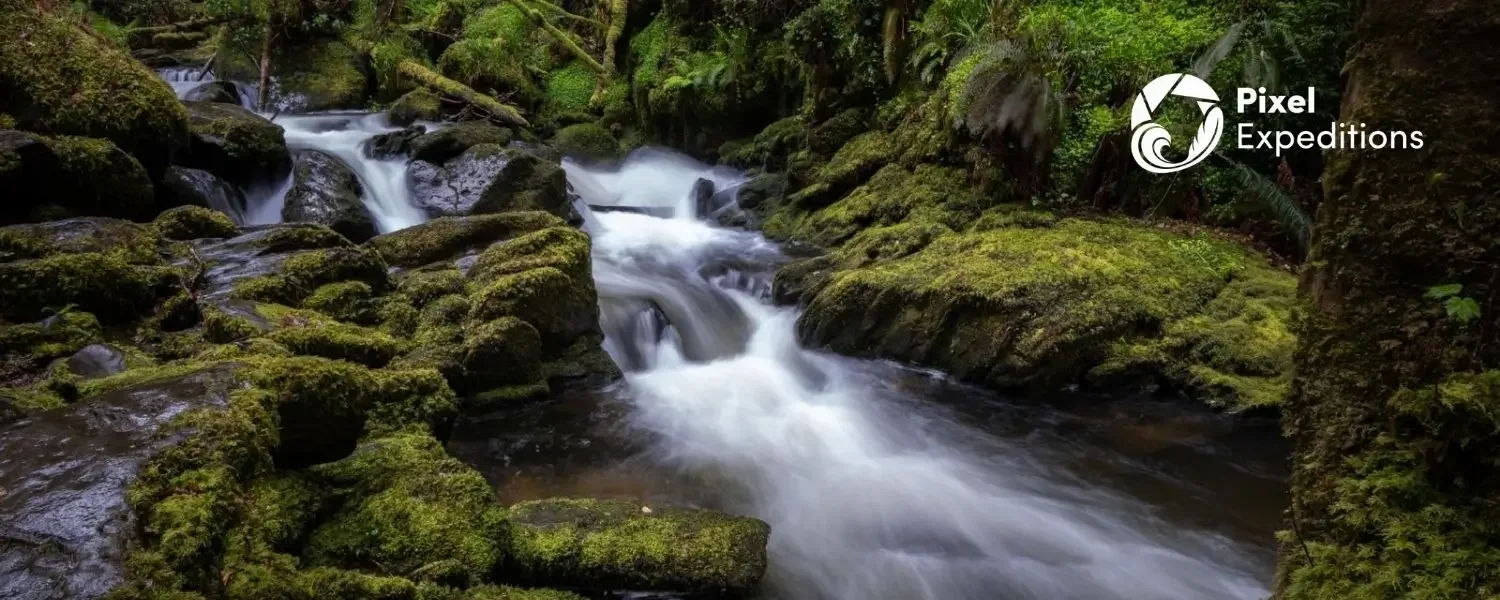
When the weather gives you lemons, make photographic lemonade
For photographers specifically, what's on offer here is unlike almost anything else in European cold water. Basking sharks are at close range, accessible from small boats without long offshore passages. Seabirds in large colonies on accessible cliff tops. A landscape that gives you real work on land even when the sea is closed. It's not a tropical liveaboard trip where the weather usually cooperates, and the animals are where you expect them. The difficulty is part of what makes day one feel the way it did.
A longer window changes the mathematics. More days means more chances for conditions to open up, more flexibility to wait out a blow and get back on the water, and more confidence that the sharks will still be in the bay when you do. It also means more time to work the land options properly, which, as this trip showed, are considerable on their own terms. And more Guinness… but that’s another story.
We're going back to look for basking sharks
Plans are already in motion for a return next year, with more days on the calendar and a structure built around the realistic weather odds rather than the optimistic ones. There are also things we learned this year (about access, about timing within the window, about what the coastline offers when the water is closed off) that will shape how the next expedition runs differently.
More details on that soon. When dates are confirmed, they'll go up on the expeditions page, and this will be one that fills quickly, so make sure you sign up for the newsletter to get in first. The basking shark window is narrow enough that the trips have to be sized accordingly, and anyone who was on this year's trip, or who has been watching it, already knows what day one can look like.
Interested in the Ireland return?
Or any of the other Pixel Expeditions international trips for that matter? Click below to see the full line up.