

The Art of Slow Travel: Why Less Itinerary Means More Discovery
The Intentional Traveller's Compass
What is Slow Travel? It prioritises depth, cultural immersion, and meaningful connections over frantic sightseeing. It's about savouring, not simply ticking boxes off in a destination.
Why is it trending now? Burnout from "fast travel" and a growing desire for Ultra-Personalised experiences are driving people toward intentional, purposeful journeys.
The Key Pillars: Longer stays, local interaction, lower environmental impact, spontaneous discovery, and a mindset of curiosity rather than conquest.
The Pixel Expeditions Difference: Our multi-day, immersive trips are designed for this mindset, providing a knowledgeable framework that allows for organic, deep discovery, moving beyond the checklist and into the culture.
The Rise of the 'See-It-All' Stress Trip
We’ve all been there, surely. The frantic dash from the airport to the hotel, the obligatory 45-minute museum visit, the three-city train schedule planned down to the second. This model of travel, let’s call it Fast Tourism, is often the inevitable result of limited vacation time and a persistent fear of missing out (more commonly, FOMO). It treats travel like a competitive sport, where the winner maximises the number of passport stamps and landmark selfies.
The problem? You return home with a memory card full of photos, but your soul feels just as empty as before, or perhaps even more exhausted. The high-energy burst of seeing everything is immediately followed by a debilitating travel burnout. You saw the monuments, but did you ever truly connect with the place, or indeed the people who call it home?
This is why a quiet revolution is underway. Travellers are demanding something more substantial, something that nourishes the spirit rather than depleting it. They are trading the checklist for the conversation, the quick snapshot for the long, lingering gaze. They are embracing the philosophy of Slow Travel.
Slow Travel: A Mindset, Not Just a Speed
The concept of "slow" tourism didn't start with travel. It evolved directly from the Italian Slow Food Movement (yes, that’s a thing, Google it if you don’t believe us) in the 1980s, which protested the homogenisation of culture and cuisine. The principle remains the same: reject mass production, celebrate local quality, and take the time to savour the experience.
Slow Travel is not merely about moving at a slower physical pace (though that often helps). It is fundamentally a mindset that transforms the tourist into a temporary resident and genuine explorer.
The Core Tenets of Intentional Travel
Depth Over Breadth: Instead of visiting seven cities in seven days, you commit to seven days in one neighbourhood. You learn the rhythm of the local café, you begin to recognise the market vendors, and you discover the history embedded in the cobblestones under your feet.
Local Immersion: The cornerstone. Immersive Tourism seeks out experiences with locals, not just around them. Think cooking classes in a family kitchen, learning about traditional crafts from an artisan, or simply sharing a meal and stories, translating into deeper, unscripted human connections.
Sustainability and Ethics: By staying longer and supporting local businesses, you inherently reduce your carbon footprint and ensure that your money directly supports the local economy rather than multinational chains. It's conscious, low-impact exploration.
Flexibility and Spontaneity: Fast travel is rigid; slow travel is fluid. When you don't have a rigid schedule, you have room for the glorious, unexpected surprise. Maybe a local festival you stumble upon, a hidden cenote a new friend recommends, or the afternoon nap you didn't know you needed.
The slow traveller understands that travel is not a means to an end; the journey is the destination.
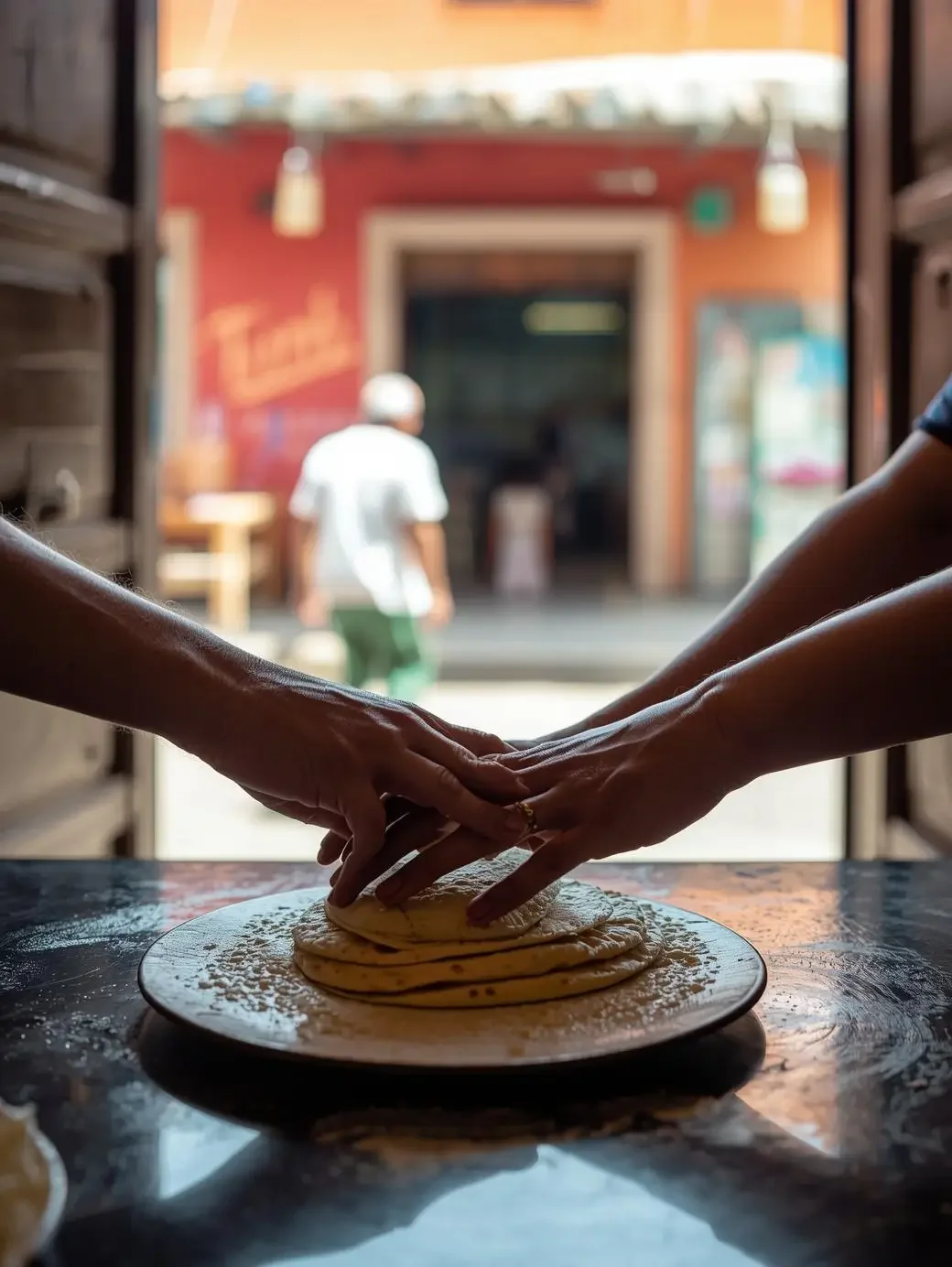
Mexico: The Ideal Canvas for Slow Travel
If there is one country perfectly suited to the intentional traveller, it is Mexico. It offers an unparalleled blend of ancient history, vibrant culture, and diverse, breathtaking nature. Attempting to conquer this vastness in a rush is simply an exercise in frustration.
Mexico rewards the slow approach like few other destinations.
Regional Riches: Instead of hitting Cancun, Mexico City, and Chichen Itza in one week, commit to a week in a single location, or a multi-day exploration of the Yucatán. When you slow down, the layers of culture, from Mezcal production to Zapotec weaving traditions, begin to peel back, revealing depth and nuance.
The Culinary Classroom: Mexican gastronomy is a UNESCO Intangible Cultural Heritage. To rush a meal here is a crime against flavour! Slow travel allows you to participate in culinary workshops, master the art of the perfect taco al pastor, and truly understand the history baked into a mole sauce.
Genuine Connection: Mexicans are famously welcoming. By settling in for a few days in and around one place, you move past the transactional tourist interactions and into genuine, often profound, conversations. This is a priceless reward of immersive tourism.
Ultra-Personalised Over One-Size-Fits-All
The trend toward ultra-personalised travel is directly linked to the need for deeper immersion. The fast-paced, large group tour bus model cannot accommodate individual curiosity. This is where tailored, multi-day expeditions shine, particularly those focused on specialised interests.
At Pixel Expeditions, we recognise that our clients aren't just tourists; they are passionate explorers, photographers, and naturalists. They don't want a cookie-cutter itinerary; they want access, insight, and time to truly capture the magic.
Our multi-day trips are not simply booked blocks of time; they are expertly guided frameworks built on the principles of slow travel and deep local knowledge:
The Access Point: Our multi-day expeditions (whether focusing on specific wildlife, photography, or cultural heritage) provide the expert guidance needed to bypass superficial tourist traps and gain access to local communities, remote natural areas, or critical conservation sites that independent travellers often can't find.
Time on Target: If you are a photographer, you need the perfect light, and you need to wait for it. If you are a naturalist, you need time for the subtle wildlife moment to unfold. We eliminate the rush, building in flexibility so that the group can pause, breathe, and wait for the genuinely spectacular… the moment that is worth a thousand rushed snapshots.
A "Resident" Experience: Our long-form expeditions foster a sense of temporary residence. You and your fellow travellers share an extended, intensive experience, building camaraderie and shared discovery that is simply impossible on a single-day dash. The expert guides become cultural bridges, not just escorts.
In essence, we handle the complex logistics of an expedition (the permits, the safety, the local access) so you can focus on the pure, unhurried, and mindful act of discovery. We provide the map, but you set the pace of your personal exploration.
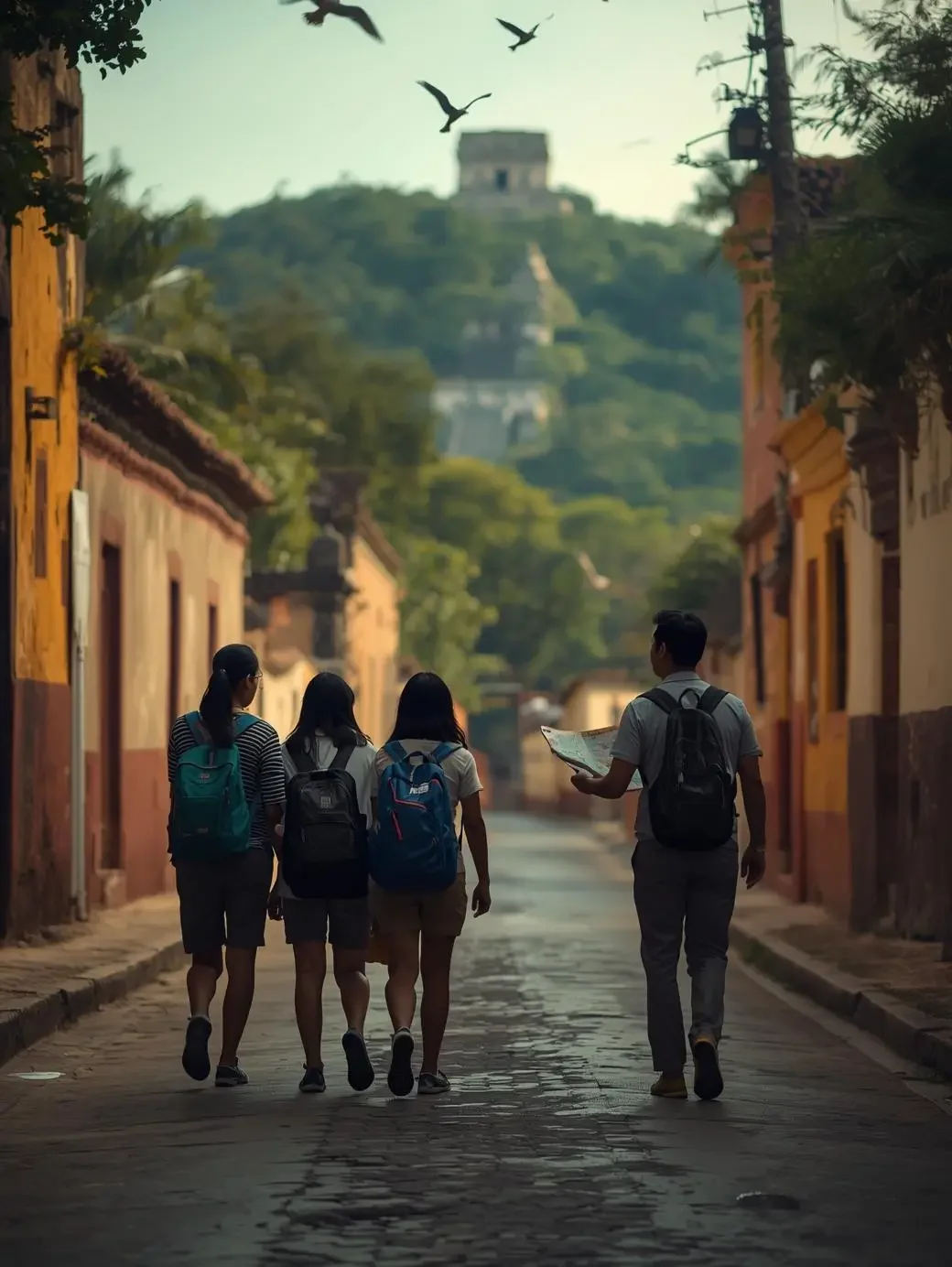
Small group tours offer a more personalised experience
Practical Steps to Embrace Slow Travel (Even on a Short Trip)
You don't need a year off to adopt a slow travel mindset. You can apply these principles to your very next multi-day trip:
Reduce Your Itinerary by 30%: Seriously. Cut one destination or one planned activity. That freed-up time is your allowance for spontaneity and rest. Think of it as investing in your well-being rather than cutting corners.
Commit to One Location: Use a single neighbourhood or town as your base for the entire trip, even if you take day trips out. Unpack fully. Find a routine: a favourite coffee shop, or a market stall. This immediately makes you feel less like a traveller and more like a local.
Choose Local Transport: Skip the inter-city flights. Opt for trains, buses, or slow regional ferries. You see the landscape change, you interact with locals, and the journey itself becomes part of the adventure.
Prioritise Interaction over Observation: Book an activity that requires, or at least includes, hands-on engagement: a language exchange, a pottery workshop, or a family dinner instead of a crowded restaurant. This is where immersive tourism truly happens.
The goal is to return home feeling richer in experience, not poorer in energy. It's about collecting stories and understanding, not just stamps and souvenirs. It's the art of giving a place your full, undivided presence.
Pixel Multi-day Expeditions
Ready to apply the principles of Immersive Tourism to your next great journey? Forget the large, impersonal tour bus. Our curated, small-group Pixel Expeditions in the Yucatán and beyond are built for intentional travellers who want access to unique locations and time for the perfect immersive experience (or the perfect photo).
If you’re seeking a journey where every day allows for personalised discovery, not just hurried sightseeing, your adventure awaits.
Frequently Asked Questions
What is the main difference between Slow Travel and traditional Fast Tourism?
Slow Travel prioritises depth and cultural immersion by staying longer in one location, fostering meaningful connections with local communities, and maintaining a low-impact approach. Fast Tourism prioritises breadth and speed, focusing on ticking off numerous famous landmarks in a short, often hurried period.
Is Slow Travel only for long-term travellers or backpackers?
Absolutely not. While it's easier to practice on extended trips, the principles of slow travel, such as intentionally reducing your itinerary, committing to one location as a base, and choosing immersive tourism experiences, can be applied effectively to trips as short as five or seven days. It is a mindset of quality over quantity.
How does choosing a multi-day expedition support the Slow Travel philosophy?
Longer experiences, such as Pixel Expeditions’ multi-day expeditions, inherently support the slow mindset by handling the complex logistics, allowing you to stay in key areas longer (time on target), and providing expert access to specialised, genuine experiences that move beyond the superficial tourist route. This framework frees you to focus on discovery and connection.
Why is Mexico considered an ideal destination for Slow Travel?
Slow Travel in Mexico is ideal due to the country's immense diversity. By slowing down, you can deeply explore specific regions, truly engage with its UNESCO-recognised cuisine, learn local crafts, and participate in authentic cultural exchange, rather than just seeing city highlights.
Does Slow Travel mean I can’t see any famous landmarks?
No, but it means seeing them differently. You might choose to visit one major landmark but dedicate a half-day to it, reading the history, having lunch in the surrounding neighbourhood, and observing local life, rather than rushing through three or four sites in the same time frame.
