

When to Visit Yucatán & Baja: The Best Seasons for Diving, Wildlife, and Ruins
Mexico is a massive country. Let’s just start with that. When people plan a trip, they often treat it as one destination, but the geography quickly tells a different story. On the southeast tip, you have the Yucatán Peninsula, a flat limestone shelf covered in jungle, bordered by the Caribbean Sea and the Gulf of Mexico. Thousands of miles (over 3,000 in fact) to the west lies the Baja California Peninsula, a rugged, desert landscape sandwiched between the Pacific Ocean and the Sea of Cortez.
Because these regions are so far apart, they operate on very different schedules. One might be entering a humid rainy season while the other is experiencing cool, desert winds. The two regions offer completely different experiences, and timing matters more than most travellers realise.
Weather patterns dictate more than just whether you need a jacket. They determine water visibility in the cenotes, the strength of the currents in Cozumel, and the exact weeks when grey whales migrate into the lagoons of Baja. While a quick Google search might give you average temperatures, at Pixel Expeditions, we look at the nuances. We know the seasons better than a generic algorithm because we spend our time on the ground (and underwater) in these locations.
At-a-Glance Seasonal Guide
If you are looking for a fast way to narrow down your dates, use this quick cheat sheet:
Winter (Dec–Feb): Peak whale season in Baja. Great visibility and eagle rays in Cozumel. Mild, dry weather for exploring Yucatán ruins.
Spring (Mar–May): A sweet spot in Yucatán. Best light and clarity for cenote diving. Fewer crowds at major sites. Warming water in the Caribbean.
Summer (Jun–Aug): Whale shark season near Isla Mujeres. Very hot in the jungle. Quiet ruins for those who don’t mind the heat.
Fall (Sep–Nov): Tending to cheaper travel and lower crowds. Hurricane risk in the Yucatán, but Magdalena Bay comes alive in Baja. Exceptional "Day of the Dead" cultural experiences in November.
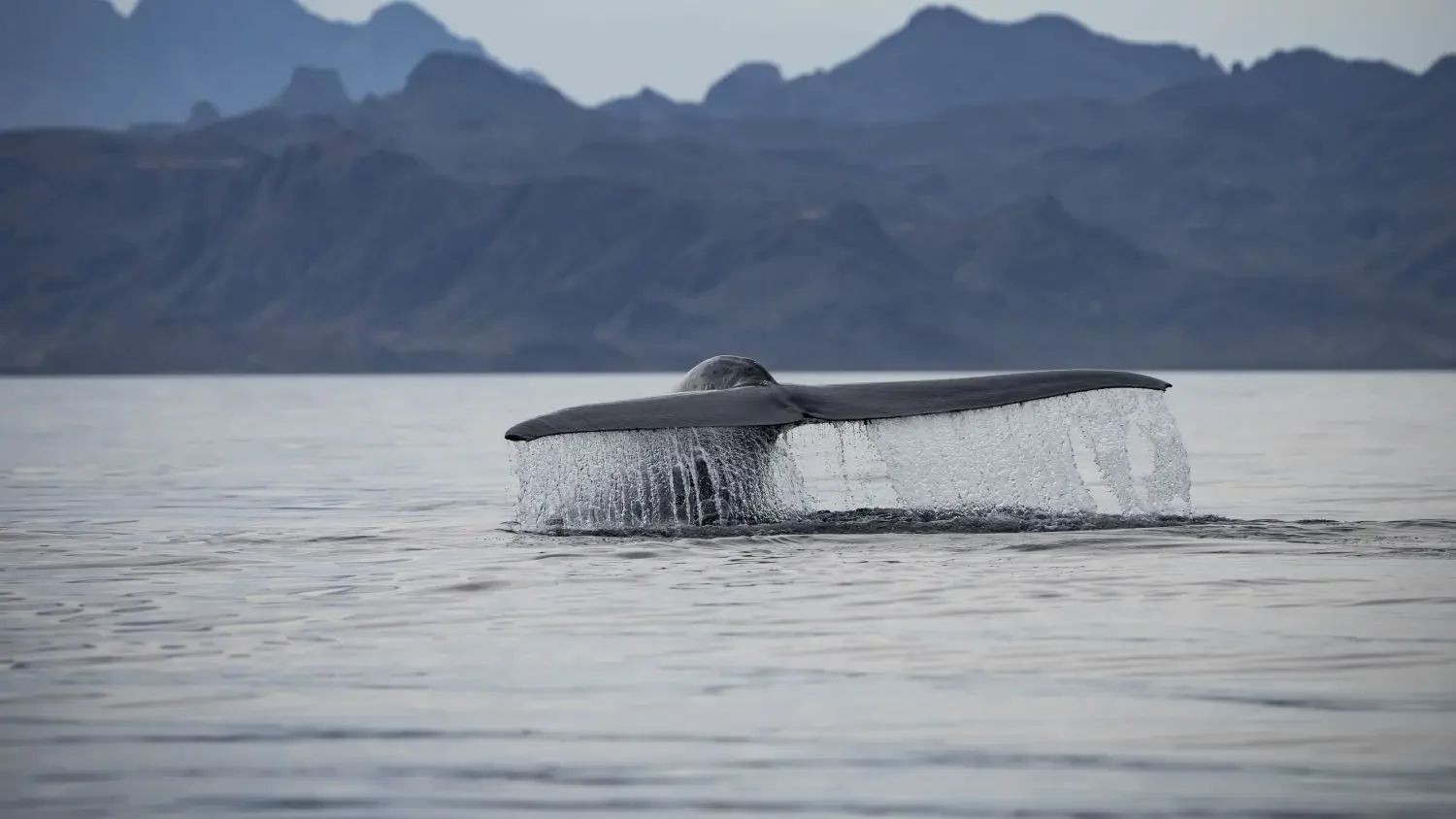
A blue whale fluke seen on one of our whale watching expeditions in Baja. Photo: Luke Coley
Best Time for Baja Whale Spotting
Unlike a stationary trip, our whale spotting expedition in Baja is a mobile journey across the Baja Peninsula. We move between different ecosystems because that is the only way to see the "Big Four": Humpbacks, blue whales, grey whales, plus the resident fin whales. Each species has a specific preference for water depth and temperature, so where we go is just as important as when.
The Peak Window: February to Late March
While migrating whales are present in Baja from November through April, the absolute best time for a full multi-species expedition is February and March. This is the narrow window where the migrations overlap as close to perfect as you are likely to get.
If you go too early, the blue whales might not have arrived in Loreto yet. If you go too late, the grey whales may have already started heading north. By targeting these seven to eight weeks, we maximise the chance of seeing all three in a single trip.
What Makes a Great Trip vs. a Mediocre One
As long as you’re there at the right time, logistics are actually the biggest hurdle in Baja. That said, multiple locations mean we can be flexible and work with the best conditions over the duration of a trip. A mediocre trip keeps you in one bay, hoping the whales come to you. A great trip involves significant ground travel to reach the right water at the right time and with the best conditions.
We use specific boats for each location: stable vessels for the open ocean near Cabo and nimble pangas for the lagoons. Timing the tides is also vital; in the lagoons, the whales move with the water, and in the Sea of Cortez, the Blue whales follow the krill. Our guides monitor these patterns daily to ensure we aren't just looking at empty water.
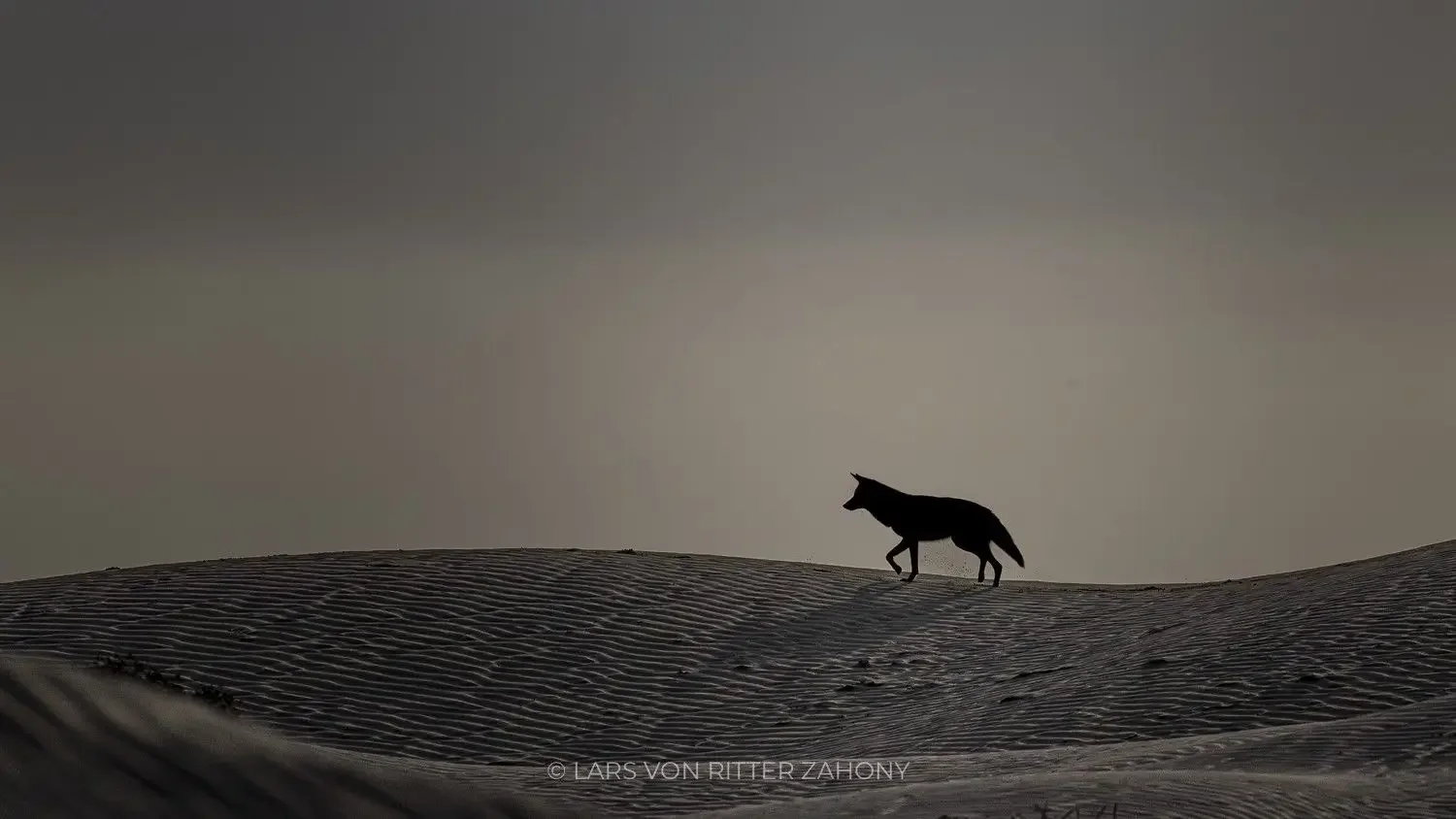
The spectacular Baja coastline is about more than just what’s in the water. Photo: Lars Von Ritter Zahony
The Sardine Run Season Breakdown
The window for this expedition is specific: for prime conditions, aim for November through to late December. This is when the cold, nutrient-rich currents of the Pacific arrive, which attract millions of sardines to the area.
The stars of the show are the striped marlin. They arrive in huge numbers to hunt the bait balls, using their bills to stun the fish. Unlike our slow-moving whale encounters, this is fast-paced action. You aren’t just sitting on a boat; you are geared up with a mask and fins, ready to slide into the water the moment a bait ball is located. You will also see sea lions, mahi-mahi, and occasionally Bryde’s whales joining the feast.
Weather & Sea Conditions
The Pacific side of Baja is cooler and windier than the Sea of Cortez. During the November–December window, the water temperature usually hovers between 23°C and 26°C (73°F–79°F), though that can slip as low as 21°C (70°F) as December progresses. You will definitely want a 3mm or 5mm wetsuit to stay comfortable during long days on the water.
The wind usually picks up in the afternoon, which makes the ride back to shore a bit bumpy. Thankfully, our local panga captains know these waters intimately, so they will try to keep you as comfortable as possible. Their knowledge also means you get the best view of the action without disrupting the natural hunting behaviour of the marlin.
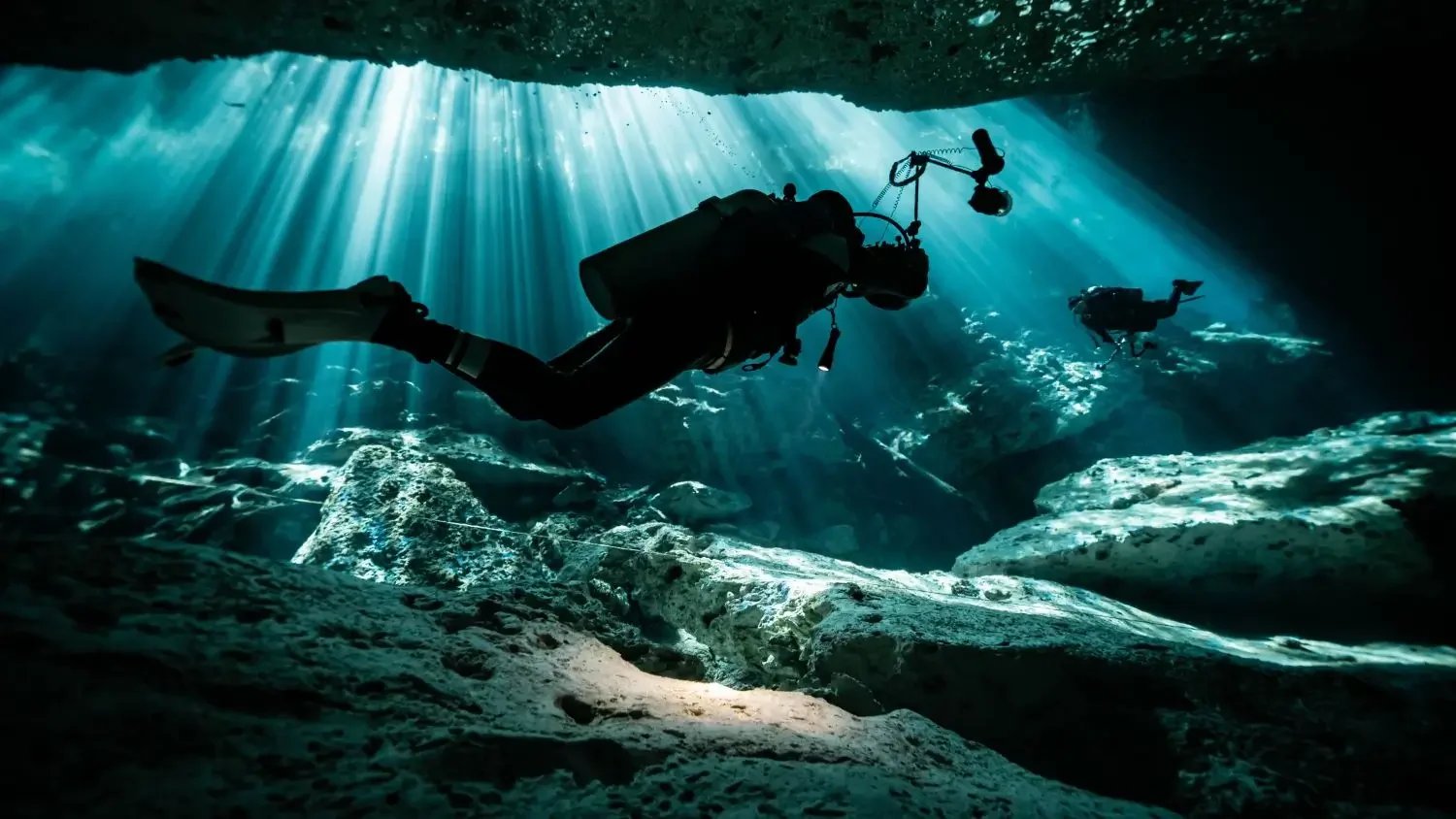
Cenotes in spring deliver the perfect sunbeams for photographers. Photo: Luke Coley
Best Time for Diving the Yucatán Cenotes
The cenotes are a world of their own. These sinkholes are part of a massive underground water system. Because the water is filtered through limestone, it is incredibly clear, but that doesn’t mean that there are no changes.
Visibility & Conditions by Season
Cenote diving conditions are good from November all the way through to August. That said, from March through to July, the sun is high in the sky, which can be crucial for photography. Those "curtains of light" that cenotes are famous for are most dramatic when the sun is directly overhead.
Spring offers the highest surface-to-depth clarity. While the water temperature stays stable year-round (about 24–25°C or 75–77°F), the surface visibility changes. During the rainy season (June to October), heavy downpours can wash organic matter into some cenotes, occasionally creating a "tannic" layer near the surface that looks like tea. While this creates a moody, atmospheric dive, photographers usually prefer the crystalline windows of the dry season.
Who Should Go and When
Photographers: Aim for April and May. This is when the light beams are strongest, and the water is most transparent.
Beginner Cavern Divers: Winter and Spring are ideal. The weather is stable, and there is very little chance of rain affecting the surface conditions.
Crowd-Averse Divers: Late May and June are excellent. The main winter tourism rush has ended, but the light is still perfect.
How Pixel Expeditions Plans Around Conditions
Local expertise is vital in the cenotes. If it has been raining heavily, certain cenotes might have high water levels or lower surface visibility. We don’t just stick to a rigid schedule; we adjust routes based on the conditions. We know which holes stay clear even after a storm and which ones require specific sun angles to look their best.
Best Time to Dive Playa del Carmen & Cozumel
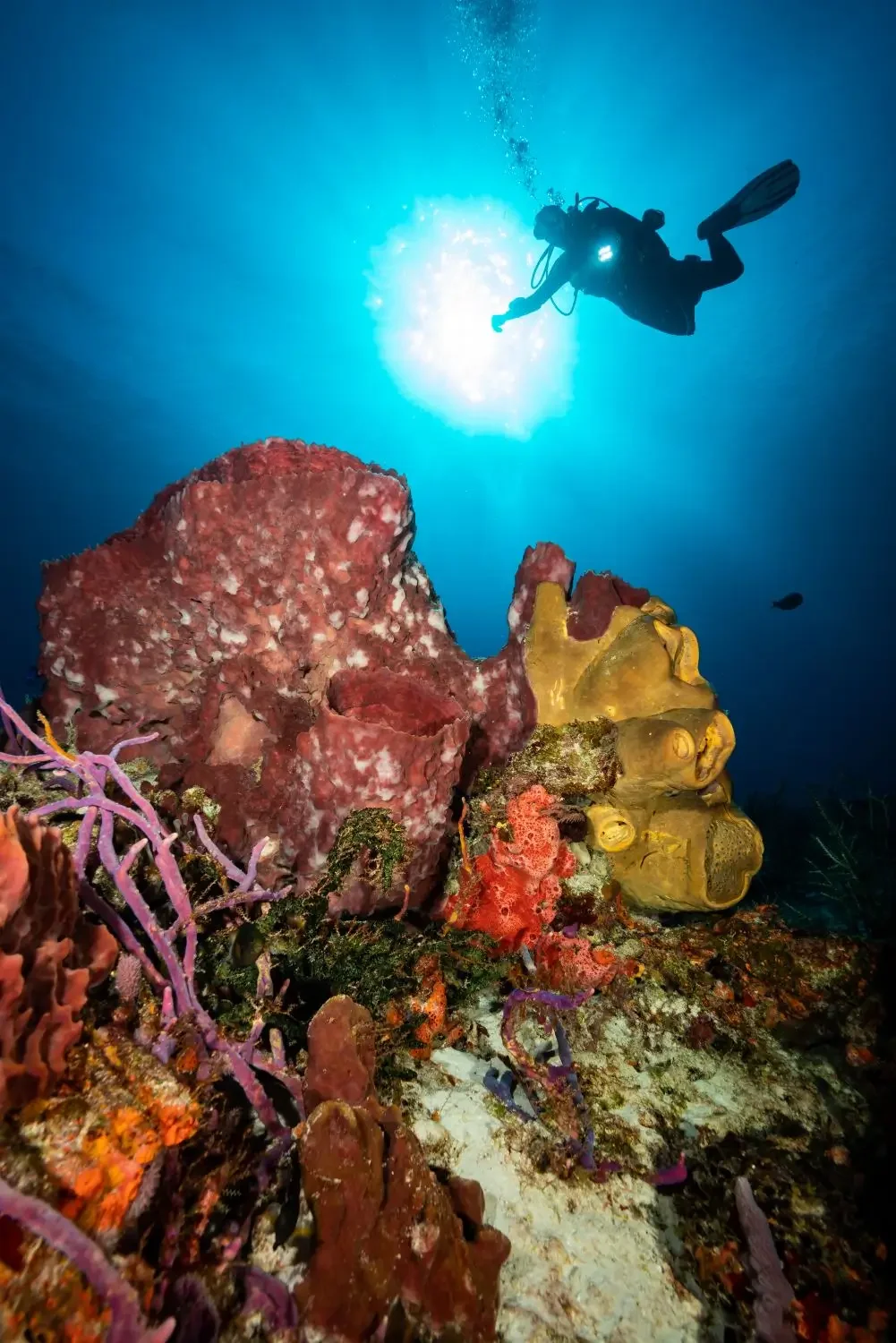
Taking advantage of the drift in Cozumel. Photo: Luke Coley
The ocean is more temperamental than the cenotes. While the diving is good year-round, Playa del Carmen and Cozumel conditions are largely defined by the movement of the Caribbean currents and north winds that come with them.
Seasonal Diving Conditions
In the winter (December to February), the "Nortes" (north winds) can occasionally close the ports. Cozumel is famous for drift diving, but currents from December through to May tend to be clearer. This generally coincides with the spotted eagle rays and bull sharks, which is obviously a good thing!
March to May is the sweet spot. Along with the pelagics being around, the winds die down, the visibility is good, and the water starts to warm up. By summer, the water is like a bathtub. You’ll see more turtles, green moray eels, and various ray species during the warmer months. Fall brings quieter boats and lower prices; you just have to keep an eye on the tropical storm forecasts.
Who Gets the Most Out of Each Season
Drift Diving Lovers: Fast-moving, exhilarating currents are there year-round, but winter and spring bring clearer water and larger pelagic life.
New Divers: Spring is your best bet. The surface is calmer when the Nortes are done, making boat entries and exits much easier.
Marine Life Fans: Year-round, the diversity in terms of reef inhabitants is always good.
Best Time to Visit the Yucatán for Ruins & Land Tours
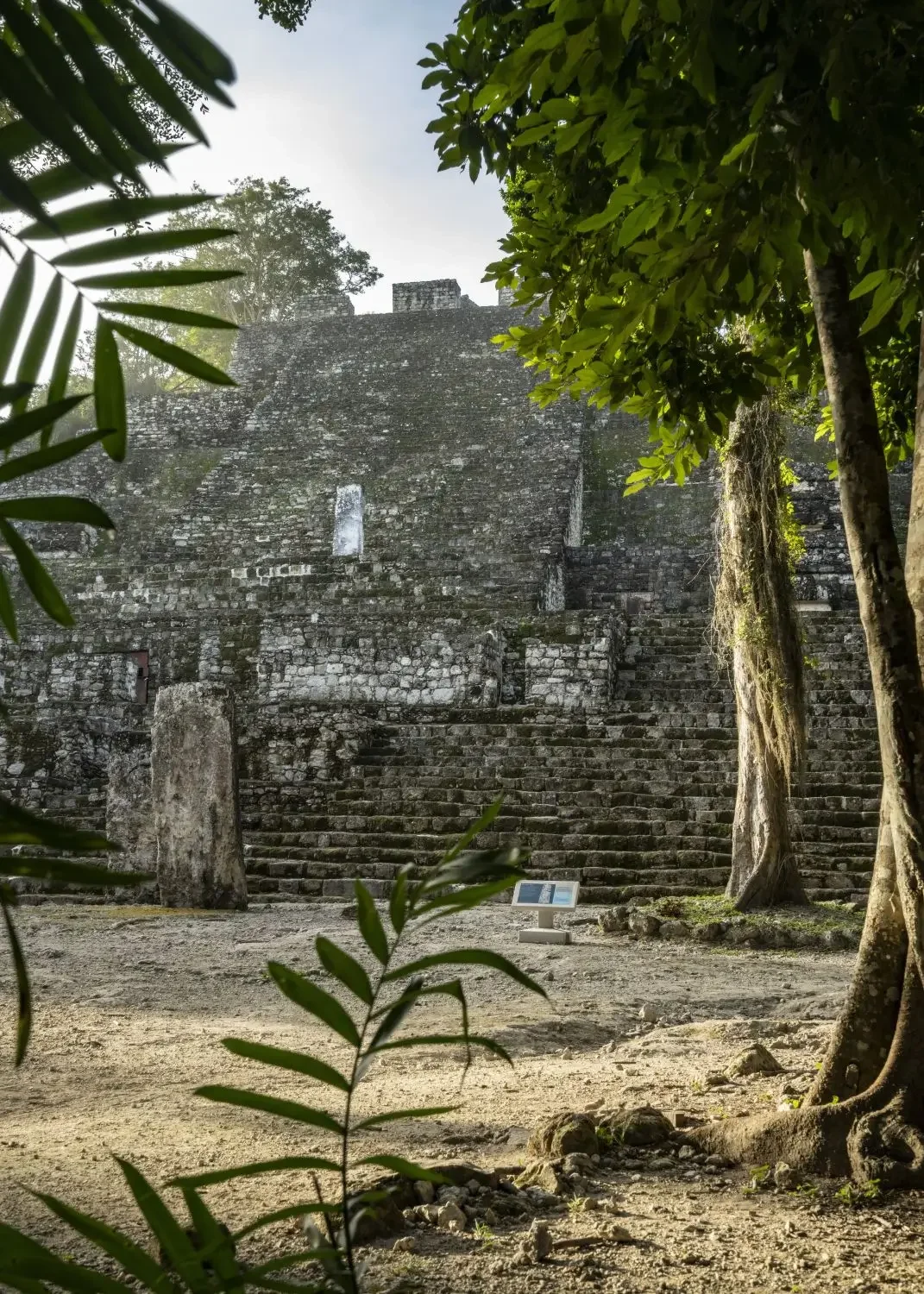
Hit Calakmul early to avoid the crowds and to get the light. Photo: Luke Coley
Visiting ruins like Chichén Itzá, Tulum, or Ek Balam is a physical endurance test if you time it wrong. The Yucatán jungle is unforgivingly humid.
Weather & Comfort
November to March is the most pleasant time for land tours. You can walk the ruins in a t-shirt without feeling like you’re melting. Summer is hot and humid; if you visit during July, expect to sweat through your clothes by 9:00 AM. Another bonus during this period is the migratory birds passing through.
The shoulder seasons, late October or April into May, offer a good balance. You get lower prices than the winter peak but avoid the most oppressive heat.
Crowds at the Big Sites
Let’s be clear, early morning matters more than the month. Regardless of the season, if you arrive at Chichén Itzá when the gates open at 8:00 AM, you will have a significantly better experience. Avoid days when cruise ships are docked in Cozumel or Progreso, as thousands of day-trippers flood the major ruins.
Festivals & Culture
If you can time your trip for early November, do it. Hanal Pixán (the Mayan version of Day of the Dead) is a spectacular time to be in the Yucatán. The towns are decorated, and the food is unique to the season.
When NOT to Visit (An Honest Reality Check)
We believe in being honest about the ‘off-seasons’.
September and October in the Yucatán can be tough (which is why we’re often on international expeditions at this time). It is the peak of hurricane season. While you can often get great deals and see zero crowds, you run the risk of your trip being cancelled or spent indoors watching heavy rain. If you do go, make sure your travel insurance is comprehensive.
Baja in the height of summer (August/September) is incredibly hot. While the marine life in the Sea of Cortez is spectacular during this time, the land temperature can be draining. It’s a time for hardcore divers, not casual sightseers.
Cozumel in mid-winter can be frustrating for nervous divers. If a "Norte" blows in, the harbour can close for several days, meaning no diving at all. If you only have three days to dive, this can be a dealbreaker.
How Pixel Expeditions Helps You Get the Timing Right
We don’t believe in one-size-fits-all travel. We focus on expert seasonal planning because we want you to see these places at their absolute best.
Small Groups: We don’t run cattle boats. Small groups mean we can be flexible and move faster.
Flexible Itineraries: If the weather isn't right for a cenote, we go to a ruin. If the wind is too high for the ocean, we’ll head underground.
Local Knowledge: Our guides live in these regions. They know the subtle signs of a changing season that an app won't tell you.
Final Take — When Should YOU Go?
There is no specific ‘best time’ for everyone, just your best time, and that basically depends on your priorities:
Best all-around trip (Balance of weather and water): March to May.
Best Baja Experiences: November-December for the Mag Bay sardine run and February to late March for whales.
Best for cenotes: April to June for photographers, but year-round is just fine for everyone else.
Best for ruins and culture without the heat: Late November into March.
Mexico doesn't really have a bad season, but it does have specific windows and destinations that turn a good trip into a legendary one. Choose your window, pack your gear, and let’s get out there.
Frequently Asked Questions
What is the best month for cenote diving in the Yucatán?
You can dive in cenotes year-round without any problems. But the best months for cenote diving with a camera are April, May, and June. During this period, the sun is directly overhead, creating the iconic "curtains of light" inside the caverns. You’ll also enjoy the best water clarity before the summer rainy season begins, making it the ideal window for underwater photography.
When can you see the "Big Three" whales in Baja?
The best time to see Humpback, Blue, and Grey whales in a single trip is February and March. This is the peak migratory overlap where Blue whales congregate in Loreto, Humpbacks active near Cabo, and Grey whales occupy the shallow calving lagoons of the Pacific coast.
What is the "Sardine Run" in Magdalena Bay, and when does it happen?
The Mexican Sardine Run is a high-action wildlife event where striped marlin, sea lions, and whales hunt massive bait balls. The season runs from mid-October through early December. It is a snorkeling-based expedition that requires a good fitness level for frequent, fast-paced water entries.
Do I need a cave diving certification to dive Yucatán cenotes?
No, you do not need a cave certification for cavern diving. Recreational divers with an Open Water certification can explore the "daylight zone" of the cenotes when accompanied by a certified guide. However, excellent buoyancy control is essential to protect the fragile stalactites and maintain water clarity.
When is the best time to visit Chichén Itzá and other ruins to avoid the heat?
To avoid the most intense heat and humidity, visit the Yucatán ruins between November and February. During these winter months, temperatures are mild and pleasant for walking. For the best experience, always arrive at the gates by 8:00 AM to beat both the midday sun and the cruise-ship crowds.
